Two facts about your shift decide this list, and no amount of product advice substitutes for them: whether you have reliable fridge access, and how far you carry the bag. Everything else is detail.
The list, grouped by what it is for
Food and water
- A sealing container for the main meal
- A first-break perishable, eaten then rather than later
- Shelf-stable food for the back half: nuts, fruit, crackers, a sealed bar
- A frozen ice pack, if there is no fridge
- A water bottle, in an external pocket - never inside the main compartment
- A pocket snack, which published nurse-essentials lists name specifically for blood sugar when a break slides
On your body, not in the bag
- Two pens, because they vanish during report and med pass
- A penlight
- Your badge, carried however your unit permits
- Shears or bandage scissors - whichever matches the cut you actually make
- Something to write on
Comfort, in order of value per gram
- A dry pair of socks. The single best item in this bag for the weight
- A layer, because units run cold at 03:00
- Lip balm and unscented lotion, which turn up on most published lists
- Hand sanitizer and wipes - the wipes are for your own shears and stethoscope
Only if applicable
- A laptop, if you are in school - in a sleeve against the back panel
- A full change of clothes, if there is a real chance you will need it; otherwise locker or car
- Charging cable, if your bag has a USB port - the power bank is not included, which listings do say
What to stop packing
Published lists are written to be comprehensive, and a bag is carried. Three categories worth reconsidering:
The just-in-case duplicates. A second stethoscope, a spare pair of shoes, a full change of clothes for a shift where nothing has ever gone wrong. If you have not used it in a month of shifts, it is being carried, not used.
Bulk water. Carry one bottle and refill it. A 40 oz bottle full is roughly 2.5 lb of water, which is more than most of these bags weigh empty.
Things that belong in a locker. Spare scrubs, compression socks for tomorrow, a coat. Published lists put these in the essentials column and then quietly note they live in a bag or a car - the locker is better than both.
The fridge question, in practice
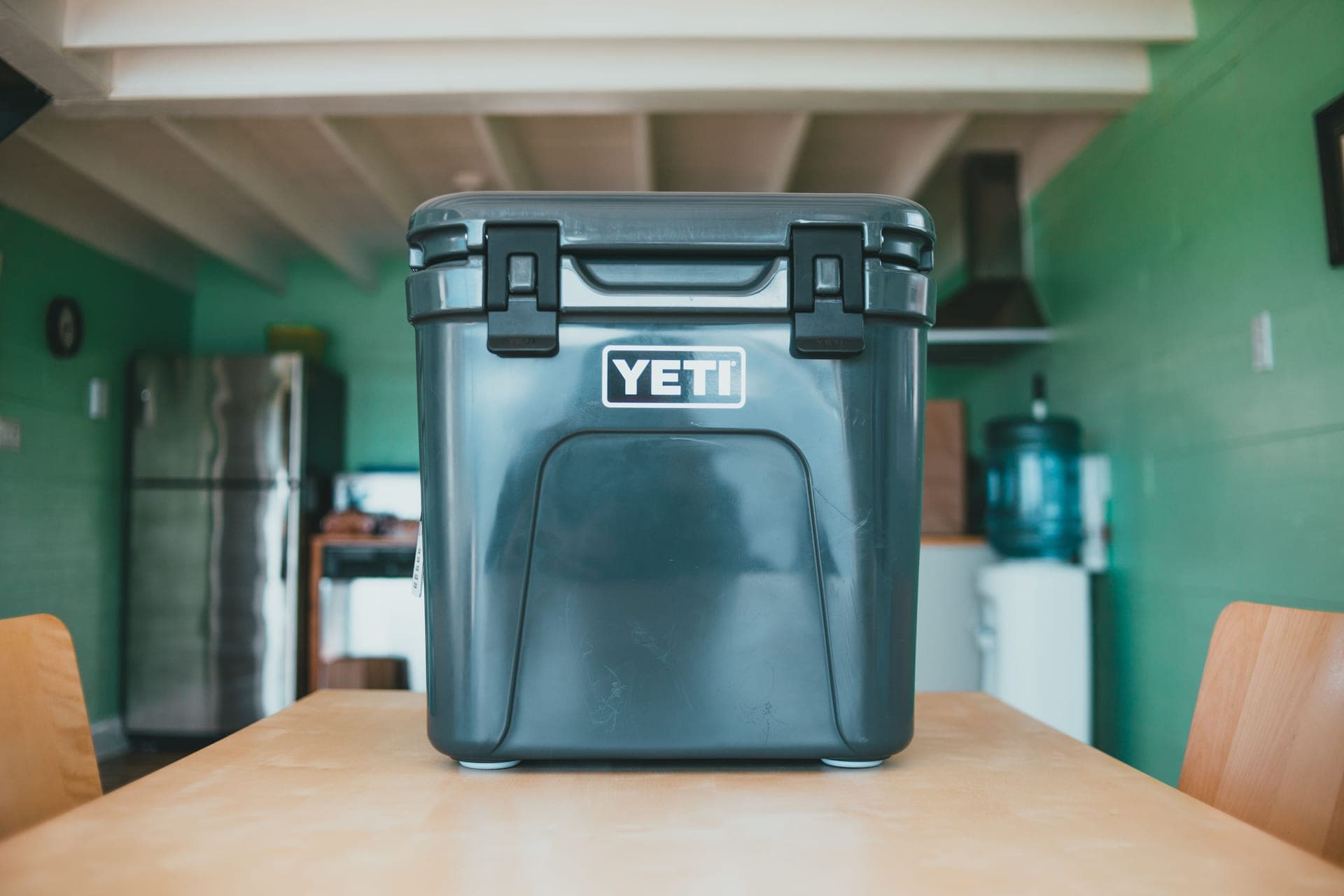
Nobody publishes an insulation hold time in this category. What exists for soft insulated bags is owner reports of roughly three to five hours, which against a twelve-hour shift means the plan matters more than the bag:
- Freeze the ice pack solid rather than chilling it
- Eat the perishable item at the first break
- Make the back half of the shift shelf-stable
The insulated bag versus lunch box comparison works through that in full.
Then pick the bag around the list, not the reverse
Pack the list above into whatever you own now, and see what size it actually is. That tells you the capacity to buy: typically 22 L without a laptop, 27 to 30 L with one. The usual mistake is buying 45 or 50 L first, because capacity creates its own cargo.
The work bag page has the formats, and the essentials page is the shorter, permanent version of this list.
How this page was put together
We start from the problem the gear has to solve over twelve hours, shortlist products that are currently sold, compare the manufacturers’ published specifications against what that problem actually needs, and read owner feedback at volume to find the failure modes worth reporting. We have not worn, used or physically tested any of this. Where a figure comes from a manufacturer we name them; where published figures disagree with each other we say so rather than picking the flattering one; where nobody publishes a figure we say that too. We print no prices, because a stale number is worse than none. Read the full method.