The short answer: if your heels hurt, buy a clog with a rigid shank and a firm heel counter. If your legs and hips hurt, buy the most cushioning you can find. If your feet are wide, start with New Balance because the width range is the deepest. And if your employer specifies a slip-resistance standard, that decision gets made before comfort enters the conversation.
That is a less satisfying answer than a single ranked list, and it is the reason this page is laid out the way it is. Every one of these nine shoes is the right answer for somebody and the wrong answer for somebody else, and the table above is sorted by how well each one does the job it is actually good at rather than by an overall score pretending to be universal.
Why most nursing shoe advice does not work
Search for this and you get one of two things. The first is a manufacturer’s blog, which can only ever recommend its own catalog - useful for specifications, useless for choosing between brands. The second is a staffing agency or jobs board publishing content marketing with no reason to ever revisit it: several of the best-ranking pages for this search are between one and seven years old, carry prices from 2019 to 2021 as though they were current, and in one case give two contradictory answers to the same question inside their own FAQ.
The deeper problem is the organizing principle. A ranked list of ten shoes assumes everyone’s feet fail the same way. They do not. Plantar fasciitis and a collapsed arch want structure and a firm heel counter, and soft foam actively makes them worse. Tired legs and aching hips want the opposite - as much cushioning as you can get between you and the floor. Those two readers should buy different shoes, and a list that ranks one above the other is serving neither.
The four things that decide it
1. Whether the heel counter folds
Pick the shoe up and squeeze the back of it, hard. If it folds flat, it is not holding your heel in position and your arch is doing that work for twelve hours instead. This is the single most predictive thing you can check with your hands, it takes two seconds in a store, and it is why the soft foam clogs that feel wonderful for the first ten minutes are the wrong purchase for anyone with heel pain.
2. Stack, drop, and which one your pain responds to
Stack height is how much material sits between your foot and the floor; drop is how much higher the heel sits than the forefoot. The shoes here run from 36.5 mm of heel stack (Brooks Ghost 17) to 43 mm (HOKA Bondi 9), and from 5 mm of drop up to 10 mm.
More stack is more cushioning, and on a hard floor that is worth real money. Higher drop takes load off the calf and Achilles; lower drop puts more there. So: heel and arch pain points you toward structure, leg fatigue points you toward stack, and calf or Achilles pain points you toward a higher drop. One honest warning, visible in the specs above - manufacturer drop figures and independently measured ones sometimes disagree sharply, and HOKA’s listed 5 mm against RunRepeat’s measured 9.1 mm is not a rounding error.
3. Width, which is not the same as roominess
Standard is D for men and B for women. A “roomy” standard-width shoe is not a wide shoe: a genuine wide is built on a wider last, so the whole footbed widens rather than just the upper stretching. If your foot spills over the edge of the footbed, you need a different last, not a half size up - and the wide-feet page goes through which brands actually build them.
4. Slip resistance with a standard attached
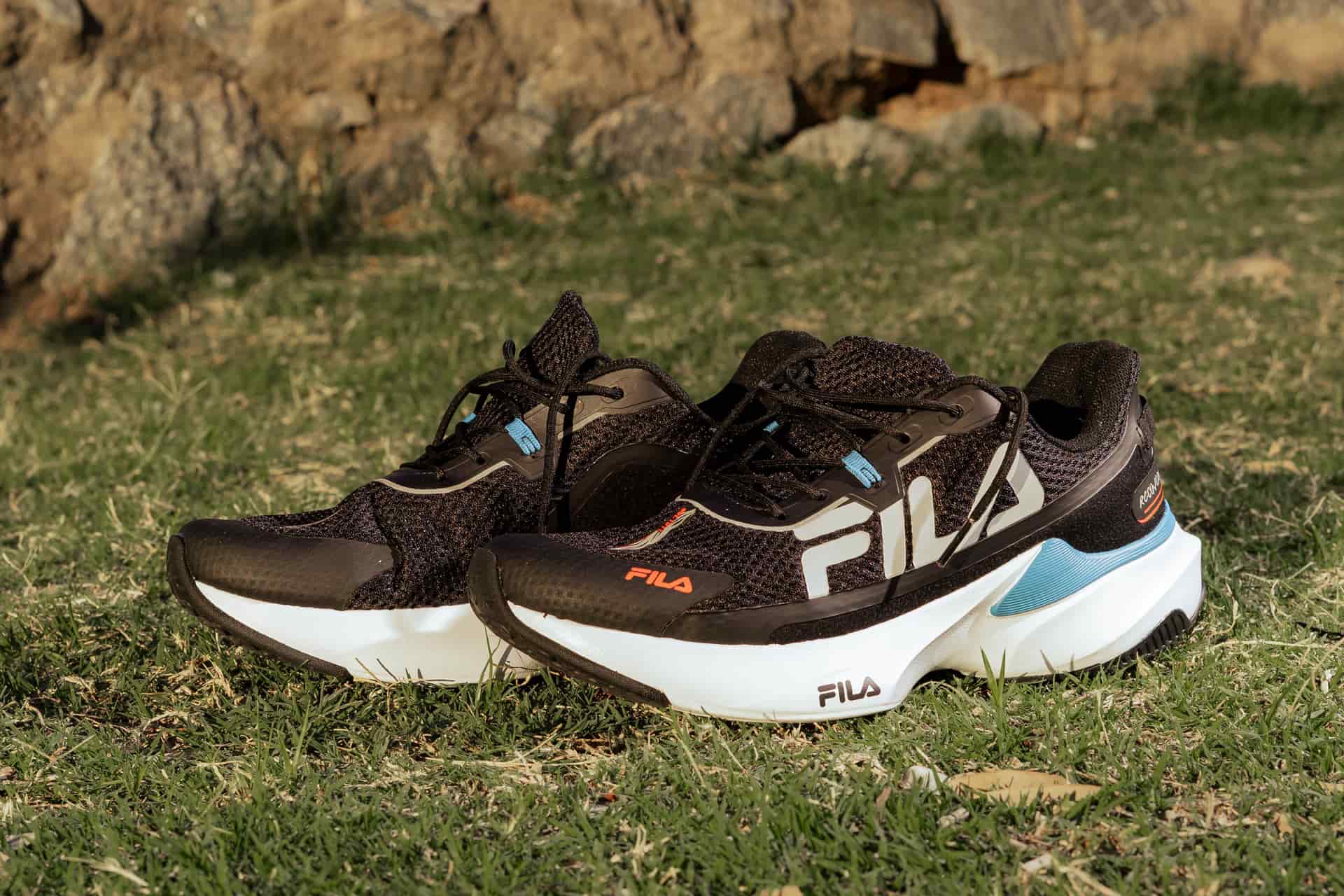
“Slip resistant” on a product listing means nothing on its own. A real rating names a test: ASTM F2913, ASTM F1677, EN ISO 20347 SRC, and sometimes a coefficient of friction. Work shoes have these. Running shoes do not, which means four of the nine shoes on this page would fail a strict footwear policy no matter how comfortable they are.
Check your employer’s policy first. We name the standard wherever a product publishes one and say so explicitly where it does not - including for the Dansko Professional, which is the most recommended nursing clog on the internet and does not state slip resistance on its own product page.
Clog or sneaker
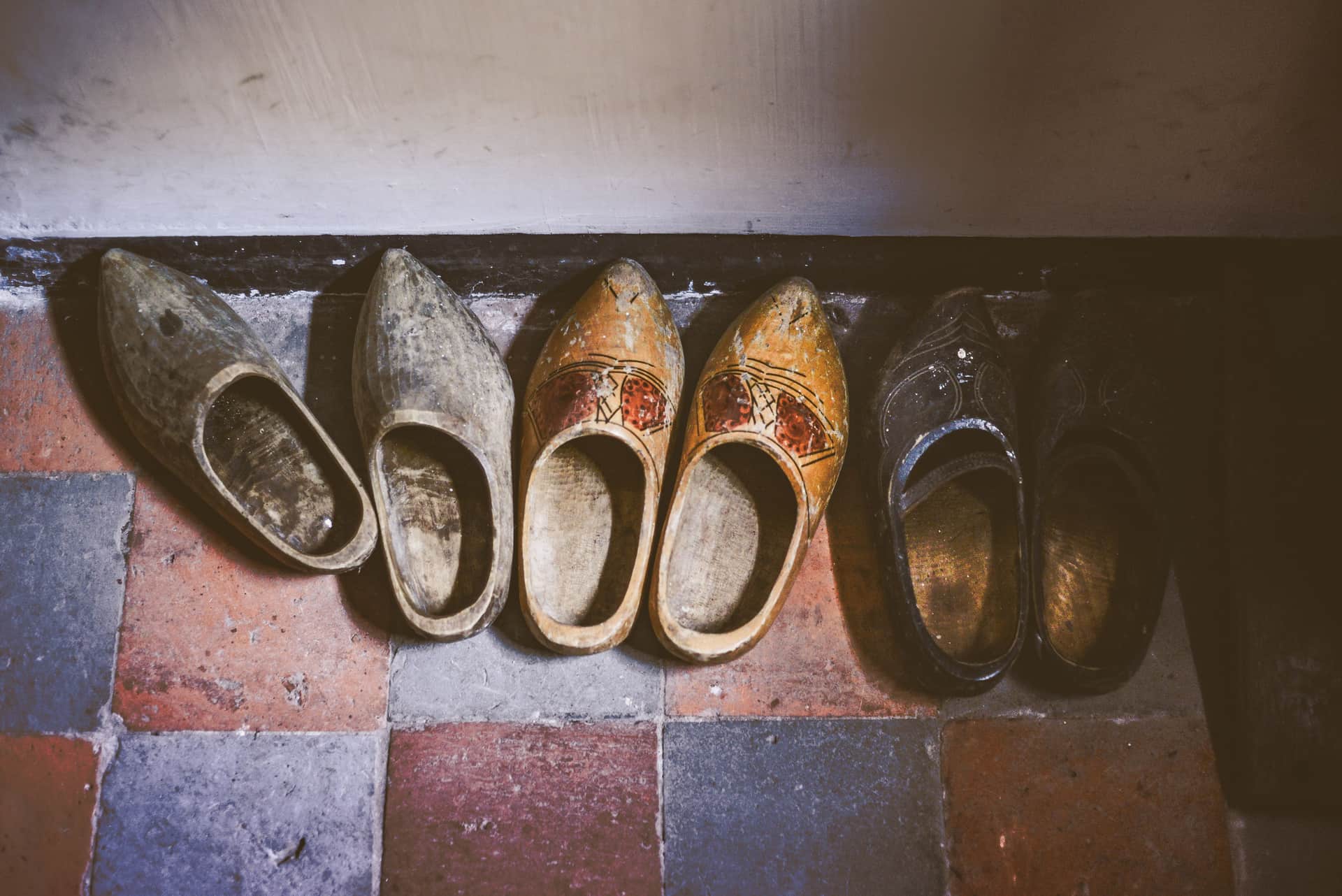
Clogs win on cleanability (leather and polyurethane wipe down; knit absorbs and takes a day to dry), on the rocker sole doing some of the work of walking, and on having a shank rigid enough that the shoe holds its shape. Sneakers win on cushioning, on weight, and on heel retention.
That last one settles it more often than anything else. An open-back clog stays on by pressure rather than by being fastened, which is fine at a walking pace and wrong for anything faster. If you run to codes, work ER, or spend your shift being paged across a building, a clog is the wrong shoe and the people on those units will tell you so. The full comparison is here.
What to do before you buy
- Check the footwear policy. It eliminates about half of this page for some employers and none of it for others, and it is the only filter you cannot argue with.
- Work out what hurts. Heel, arch, forefoot, calf, hip, or just general fatigue - those point at different shoes, and the foot pain guide walks through which is which.
- Measure both feet, late in the day. Feet swell across a shift and most people have one foot bigger than the other. Fit the larger one, at its largest.
- Try them on if you can. We have not worn any of these, and for footwear that genuinely matters. Treat this page as a shortlist of four to try rather than one shoe to order.
- Do not forget the two cheap fixes. A rigid insole and the right compression socks solve a surprising share of what people blame on their shoes - see insoles and compression socks.