The published nurse-essentials lists are longer than any real scrub pocket. They also disagree with each other about the one thing that matters - what goes in a pocket versus what goes in a bag. So rather than print another list of fourteen items, here is where the sources agree, where they split, and the weight problem none of them mention.
What every list agrees on
Across retailer and nursing-blog essentials lists, four items turn up every time:
- More than one pen. The reasoning is consistent: they go missing during report and med pass. Some lists extend this to a black pen, a pencil, a highlighter and a dry-erase marker.
- Something to write on. A notepad or report sheet, for vitals and handoff detail, even where charting is electronic. One list puts it drily - a paper towel or your scrub leg will do, but paper is nicer.
- A stethoscope, on the lists aimed at floor nursing.
- A small snack. Named specifically for blood sugar when a break slides, which is a more practical justification than most items on these lists get.
Hand sanitizer and wipes appear almost as consistently, with wipes justified for cleaning your own shears and stethoscope rather than your hands.
Where the lists contradict each other
The pocket-versus-bag line moves depending on who wrote the list. A water bottle is pocket-adjacent on some lists and strictly bag-only on others. Spare scrubs and compression socks are listed as essentials but placed in a bag or a car. One retailer list is really a what-to-own list rather than a what-to-carry list - it includes scrubs, shoes and a lab coat alongside sanitizer and snacks.
Blue-light glasses and cooling towels appear on exactly one list and nowhere else, which is a reasonable signal of how essential they are.
The workable rule that falls out of the disagreement: small and needed within two seconds goes in a pocket; everything else goes in a bag. If you would be willing to walk to the break room for it, it is not pocket gear. The bag side of that split has its own page.
The weight problem nobody writes about
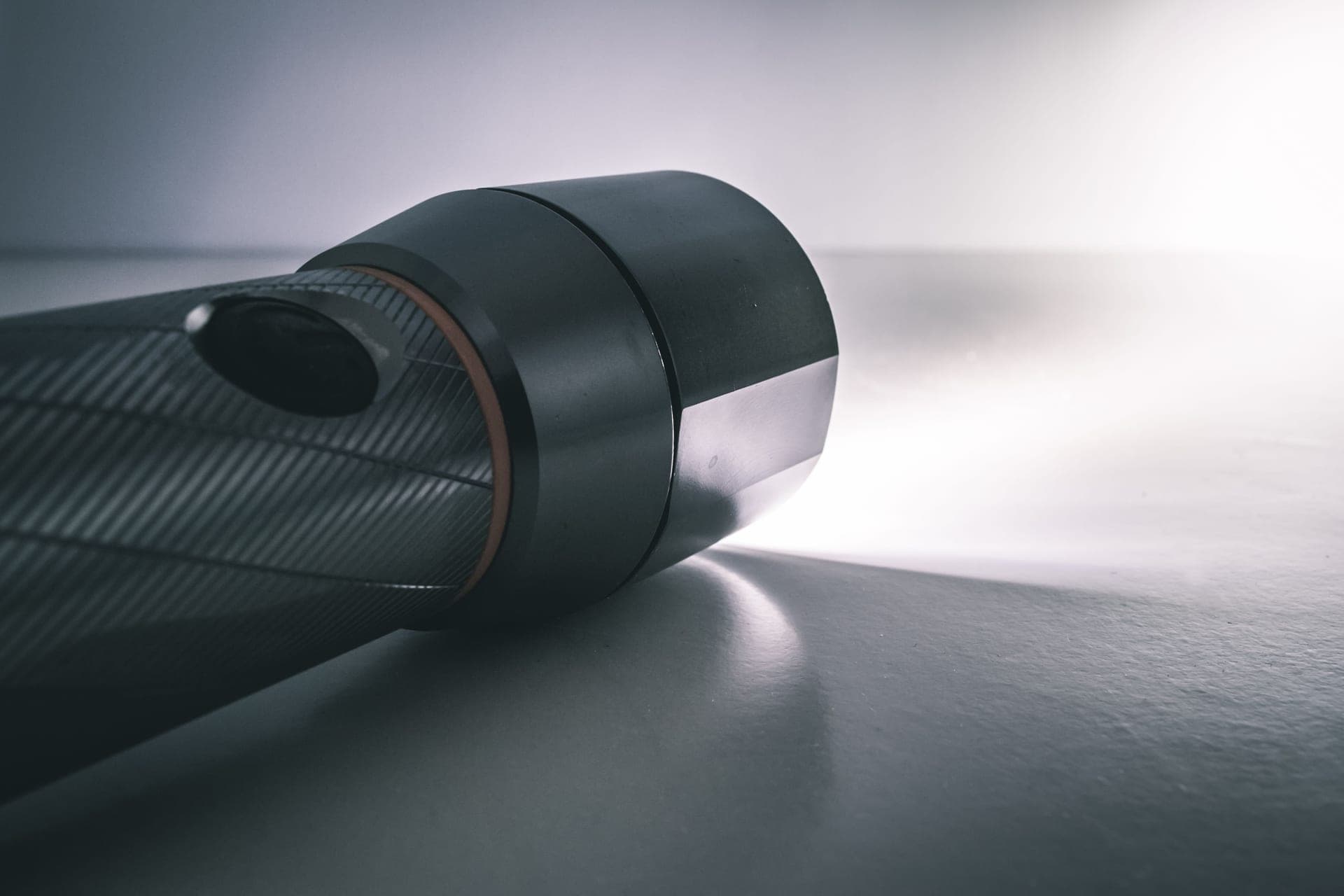
Here is what the lists leave out. A pair of trauma shears, a machined aluminum penlight and a phone in one pocket is a meaningful load hanging off two seams, forty times a shift, for however long that top lasts. That is how scrub pockets stretch out of shape and how corners wear through.
Three things reduce it, in order of effectiveness: carry less, split the load across both sides, and give the sharp items their own sleeves so they are not lying across a seam. A pocket organizer does the third one, at the cost of bulk in a pocket that was already full.
The fourth fix is the garment. Some scrub tops are built for this load - pen slots in both front pockets rather than one, inner utility loops that hold shears upright, a D-ring so a badge reel is not clipped through fabric. If your pockets keep failing, the pockets may be the problem rather than the kit.
The things that are not on any list but should be
A watch with a second hand. Not a list item in most write-ups, but if you count respirations you need one, and whether a smartwatch is allowed is a separate question.
Your badge, carried in a way your unit permits. Which is a genuine decision rather than an afterthought - see badge reel versus lanyard.
The right scissors for the cut you actually make. Lists say “scissors.” That is two different tools, and picking the wrong one is the standard mistake.