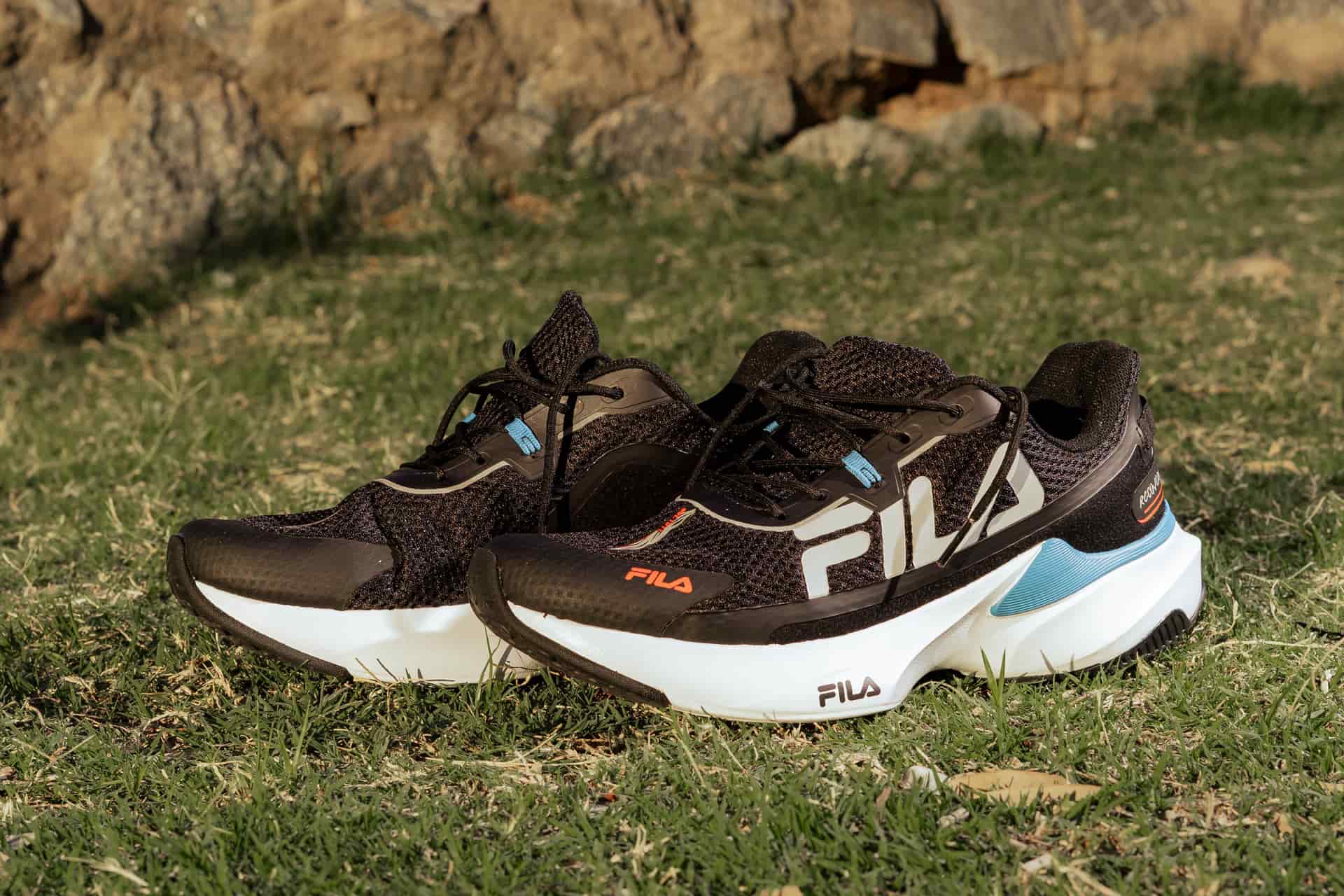
Best Overall
The best nursing shoes, sorted by what hurts
The main footwear roundup: nine picks across clogs, sneakers and work shoes, each matched to a specific foot problem rather than ranked against each other.
Top pickHOKA Bondi 9
Shift & Sole
The biggest category on the site, because it is the one that decides whether hour eleven is bearable. Start from your foot, not from a brand.
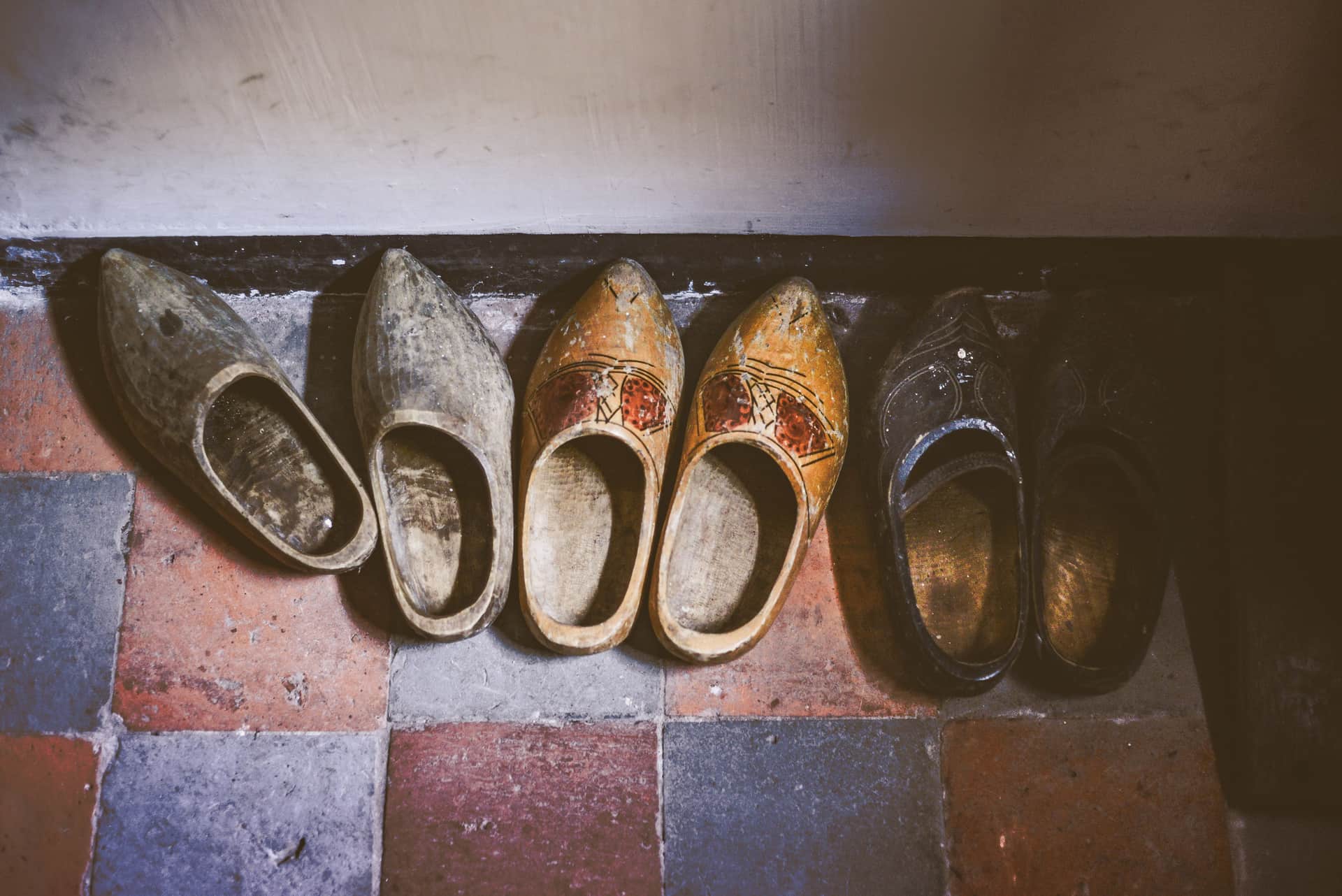
Almost every nursing-shoe guide online is organized by brand. That is the wrong axis. Two people can stand on the same floor for the same twelve hours in the same shoe and one of them finishes fine while the other cannot feel their heel, and the difference is the shape of their foot and what is wrong with it.
So this section is organized by the thing that actually hurts. Plantar fasciitis wants a firm heel counter and real arch support. Flat feet want structure, not cushioning. Wide feet want a wide shoe, which is not the same as a roomy standard-width shoe. High arches want cushioning and a shoe that does not fight the arch. Bunions want a toe box that does not press. Those are five different purchases, and a list of “the ten best nursing shoes” serves none of them properly.
The second axis that matters is what your employer allows. A lot of good shoes are running shoes with no slip-resistance rating and a knit upper that soaks up anything spilled on it. If your unit specifies a named ASTM standard, that rules out most of the comfortable options before comfort enters the conversation - so check the policy first, then shop. We say which products carry a published rating and which do not, every time, because that is the single most common reason a shoe gets sent back.
The third thing worth saying out loud: nobody here has worn these. Our picks come from published manufacturer specifications and the failure modes owners report consistently. For footwear, more than any other category on this site, that genuinely matters - so treat these pages as a shortlist to try on, not a substitute for trying them on.
Start here
This is the hub’s real job: getting you to the one page that was written for your situation, rather than a single ranked list that was written for nobody in particular.
Heel pain that is worst in the first steps of the morning
Plantar fasciitis picks - firm heel counters, not soft foam →
Arches that collapse inward, or ankles that roll
Your foot spills over the edge of the footbed
A high instep and pain across the top of the foot
A bony bump at the base of the big toe
Nothing specific hurts yet, you just want the right shoe
Buying guides and picks
Best Overall
The main footwear roundup: nine picks across clogs, sneakers and work shoes, each matched to a specific foot problem rather than ranked against each other.
Top pickHOKA Bondi 9
Best for 12-Hour Shifts
Six picks chosen for hour eleven rather than hour one - the shoes that handle foot swelling, foam fatigue and a full day on a hard floor.
Top pickHOKA Bondi 9

Best for Standing Still
Six picks for static standing - OR, procedural and bench work - where arch support and a rigid shank matter more than cushioning or weight.
Top pickDansko XP 2.0 Clog
Best for Plantar Fasciitis
Six picks for heel pain that is worst in your first steps of the morning - structure and deep heel cups rather than the soft cushioning most guides recommend.
Top pickDansko XP 2.0 Clog

Best for Flat Feet
Six picks for flat feet and overpronation: stability from geometry rather than a hard medial post, plus why a high-arch insole is the wrong fix.
Top pickASICS Gel-Kayano 32
Best for Wide Feet
Six picks that come in genuine wide and extra-wide builds, plus how to tell a real wide last from a standard shoe with a stretchy upper.
Top pickNew Balance Fresh Foam X 1080v14
Best for High Arches
Five picks for high arches and a high instep: cushioning over correction, plus why a stability shoe is the wrong purchase here.
Top pickHOKA Bondi 9

Best for Bunions
Five picks that give a bunion room rather than pressing on it - wide forefoot lasts, molded shells and uppers with no overlay across the joint.
Top pickCrocs On The Clock Work Slip-On
Best Women's Pick
Six picks in women's builds, with what a women's last actually changes about heel fit and volume - plus how to read width designations.
Top pickDansko XP 2.0 Clog
Best Men's Pick
Six picks available in men's builds, plus why the men's clog range is thin and how to read the width letters that mean something different here.
Top pickHOKA Bondi 9
Best Clog
Five clogs across leather, PU and foam construction - what each type is genuinely good at, and why 'clog' tells you almost nothing on its own.
Top pickDansko XP 2.0 Clog
Best Sneaker
Five sneakers chosen for standing work, plus the two compromises every running shoe brings to a hospital: no slip rating and an upper that absorbs.
Top pickHOKA Bondi 9

Best Insole
Insole picks for standing work, why a rigid insole beats a cushioned one, and the heel-cup sizing system that almost everyone gets wrong.
Top pickSuperfeet All-Purpose Support High Arch (Green)
Best Waterproof
Four shoes you can genuinely clean after a spill, and why 'water resistant' on a knit upper means almost nothing in a hospital.
Top pickCrocs On The Clock Work Slip-On
Best Crocs Model
Which Crocs models actually qualify for hospital work - enclosed toe, Crocs Lock outsole, named ASTM standard - and why the classic does not.
Top pickCrocs On-The-Clock LiteRide Work Slip-On
Best for Covering Distance
Four picks for shifts spent covering distance - where weight, heel retention and rocker geometry matter more than a rigid shank.
Top pickBrooks Ghost 17
Best for the ER
Four picks for emergency work - fastened heel retention, uppers you can decontaminate, and slip ratings with a test standard attached.
Top pickSkechers Work Ghenter-Bronaugh
Best for the ICU
Four picks for intensive care - arch support for long static standing, quiet outsoles, and uppers that decontaminate between rooms.
Top pickDansko XP 2.0 Clog
Best for the OR
Four picks for operating-room work - washable construction, static standing support, and what shoe covers do and do not change.
Top pickBirkenstock Super-Birki
Best Value Pick
Four value picks for CNAs, MAs and techs - the features worth paying for when the budget is real, and the ones that are not.
Top pickSkechers Work Ghenter-Bronaugh
Head-to-head decisions
Head-to-head decisions
HOKA Bondi 9 against Brooks Ghost 17: stack height versus drop, weight, width ranges, and which fatigue pattern each one actually addresses.
Top pickHOKA Bondi 9
Head-to-head decisions
Dansko against Sanita: what each publishes about slip resistance and footbeds, the price gap, and the availability problem that decides it for most people.
Top pickDansko XP 2.0 Clog
Head-to-head decisions
The category decision, settled by how much you move: heel retention and cushioning against shank rigidity and cleanability.
Top pickDansko XP 2.0 Clog
Head-to-head decisions
Dansko's molded PU footbed against Birkenstock's cork-latex: break-in, washability, replaceability and which one survives a hospital better.
Top pickDansko XP 2.0 Clog
Head-to-head decisions
A rigid leather clog against a molded work Croc: arch support versus washability and weight, plus the cheap combination that gets you both.
Top pickDansko XP 2.0 Clog
Guides
Guides
A diagnostic guide: identify whether your pain is structural, circulatory or impact-related, then fix the right one of the three.
Top pickSuperfeet All-Purpose Support High Arch (Green)
Guides
Why mileage rules do not work for standing work, the three tests that actually tell you, and what to do about the advice that contradicts itself.
Top pickNew Balance Fresh Foam X 1080v14
Guides
The decision procedure: employer policy first, then foot shape, then what hurts, then how far you move, then cleanability.
Top pickDansko XP 2.0 Clog
Guides
An honest answer: what Crocs genuinely do well, what they cannot do, and why the classic clog is the wrong one to buy.
Top pickCrocs On-The-Clock LiteRide Work Slip-On
Heel counter stiffness. Squeeze the back of the shoe. If it folds flat, it is not holding your heel in position, and over twelve hours your arch does that work instead. This is the single most predictive thing you can check by hand, and it is why soft foam clogs that feel wonderful in the shop are the wrong answer for anyone with heel pain.
Stack height and drop. Stack is how much material sits between your foot and the floor; drop is how much higher the heel sits than the forefoot. More stack means more cushioning on concrete. A higher drop (8-10 mm) takes load off the calf and Achilles; a lower drop (4-6 mm) puts more there. If your pain is in your calves, look at drop before you look at cushioning. Be warned that manufacturer drop figures and independently measured ones sometimes disagree sharply - we flag it where we found it.
Width, properly. Standard width is D for men and B for women. A “roomy” standard shoe is not a wide shoe: a genuine wide is built on a wider last, so the whole footbed is wider, not just the upper. New Balance has the deepest width range in the mainstream, which is why it is where we point anyone whose foot is not standard.
Slip resistance, with a standard attached. “Slip resistant” on a listing means nothing on its own. A real rating names a test - ASTM F2913, ASTM F1677, EN ISO 20347 SRC - and sometimes a coefficient. Work shoes have these; running shoes do not. If your employer specifies one, that is the first filter.
What happens when something spills on it. Leather and polyurethane wipe clean. Knit and mesh absorb and then take a day to dry, which is a real problem if you only own one pair. Some clogs publish a wash temperature, which is the strongest version of this.
Replaceability. A removable footbed means you can drop in an orthotic, or replace a packed-out insole instead of the whole shoe. On a shoe you wear 2,000 hours a year, that is worth more than most features on the spec sheet.
FAQ
Clogs win on cleanability, rocker-assisted walking and a rigid shank that holds your arch up. Sneakers win on cushioning, heel retention and weight. The deciding question is usually how fast you move: an open-back clog has no heel retention and is the wrong shoe for anything quicker than a brisk walk, so ER and code-team work points to a sneaker. We work through it properly in clogs vs sneakers for nurses.
Not on a calendar - on wear. The honest answer is that it depends on the shoe’s construction and how many hours you put through it, and the published advice contradicts itself wildly (one widely-read guide gives two different answers in its own FAQ). We lay out what to actually look at in how often to replace nursing shoes.
Check your employer’s footwear policy before anything else. Many units require a shoe rated to a named standard, which rules out every running shoe on this site regardless of how comfortable it is. Where a product carries a published rating we name the standard; where it does not, we say so.
Sometimes, and it is the cheapest thing to try. A rigid insole with a deep heel cup adds real structure to a shoe you otherwise like. It will not fix a shoe whose heel counter folds flat, and it needs a removable original footbed to fit properly. See the insole picks.
The rest of the shift
Foot pain is a shoes problem, a socks problem and an insoles problem at the same time. Most people arrive here for one category and leave having fixed two.
Scrubs
Nobody segments scrubs by body. Everybody should: the same fabric behaves completely differently on a 5ft 2in frame and a 6ft 2in one.
Stethoscopes
The one piece of gear where the spec sheet genuinely predicts the experience - if you know which numbers matter.
Compression Socks
The cheapest thing on this site that changes how your legs feel at hour twelve - and the one most often bought in the wrong pressure.
Pocket Gear
Low-stakes money, high-frequency annoyance. Every item here is something you touch forty times a shift.
Work Bags
Two bags, one decision: what carries your shift in, and what keeps your food edible until your break finally happens.