

01
A high rise that stays up when you bend
FIGS Zamora High-Rise Jogger Scrub Pant
Anti-wrinkle fabric and a rise that does not need adjusting every hour.
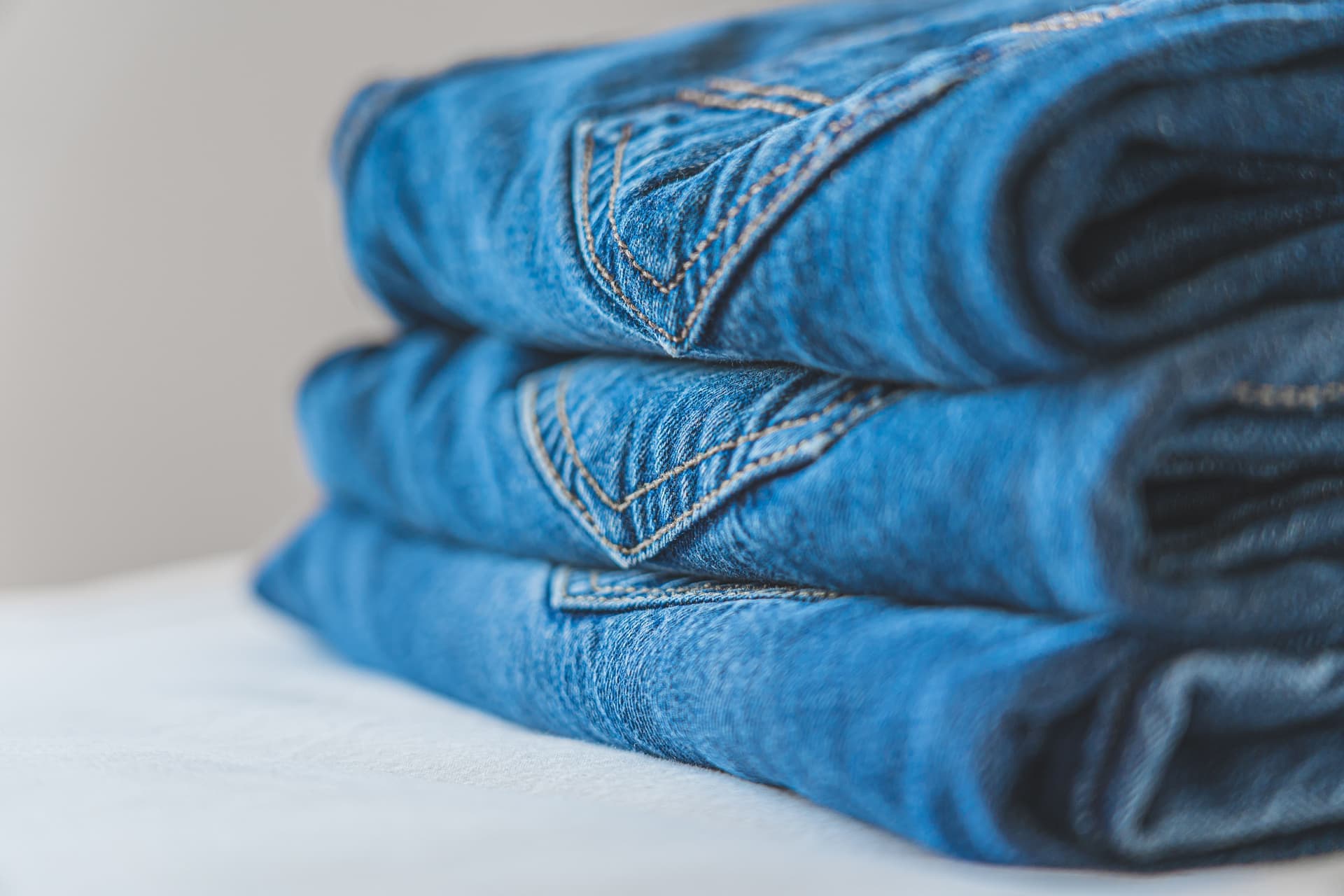
Jogger scrub pant
- 72% polyester, 21% rayon, 7% spandex
- FIGS FIONx
- Four-way stretch, moisture wicking, anti-wrinkle
- Some listings note a Silvadur antimicrobial treatment
- Slim; listings say true to size
Two things make this the long-shift pick. The high rise stays put when you bend over a bed, which over twelve hours and several hundred bends matters more than any feature on the spec sheet. And the anti-wrinkle property is real - these look worn-in rather than slept-in at hour eleven, which affects how you feel as much as how you look. Slim through the thigh and seat.
9.2
9.4
9.0
9.0
5.4
Overall8.6 / 10
What it gets right
- The rayon content is why these feel different from a 100% polyester scrub - they drape instead of sitting stiff
- Anti-wrinkle genuinely holds up: these come out of a bag looking worn-in rather than slept-in
- High rise stays up when you bend, which is a bigger deal over twelve hours than any feature on the spec sheet
- Jogger cuff keeps the hem off the floor, which is a hygiene point as much as a style one
What it gets wrong
- Slim cut through the thigh and seat - not a forgiving pant
- Rayon content means these are not an industrial-laundry garment
- Expensive, and the fabric composition figures come from retailer listings rather than FIGS's own product page
- The antimicrobial treatment is noted inconsistently across listings
Who should skip itYour employer launders your scrubs centrally. A polyester-rayon-spandex blend is not built for hospital laundry temperatures and you will not get your pants back the same shape.