Skip to content
Shift & Sole

Buying guide · Shoes & Clogs

Best shoes for travel nurses

You accept the contract before you know the dress code, the floor surface or the walk from parking. That argues for a particular kind of shoe.

By Selena H.
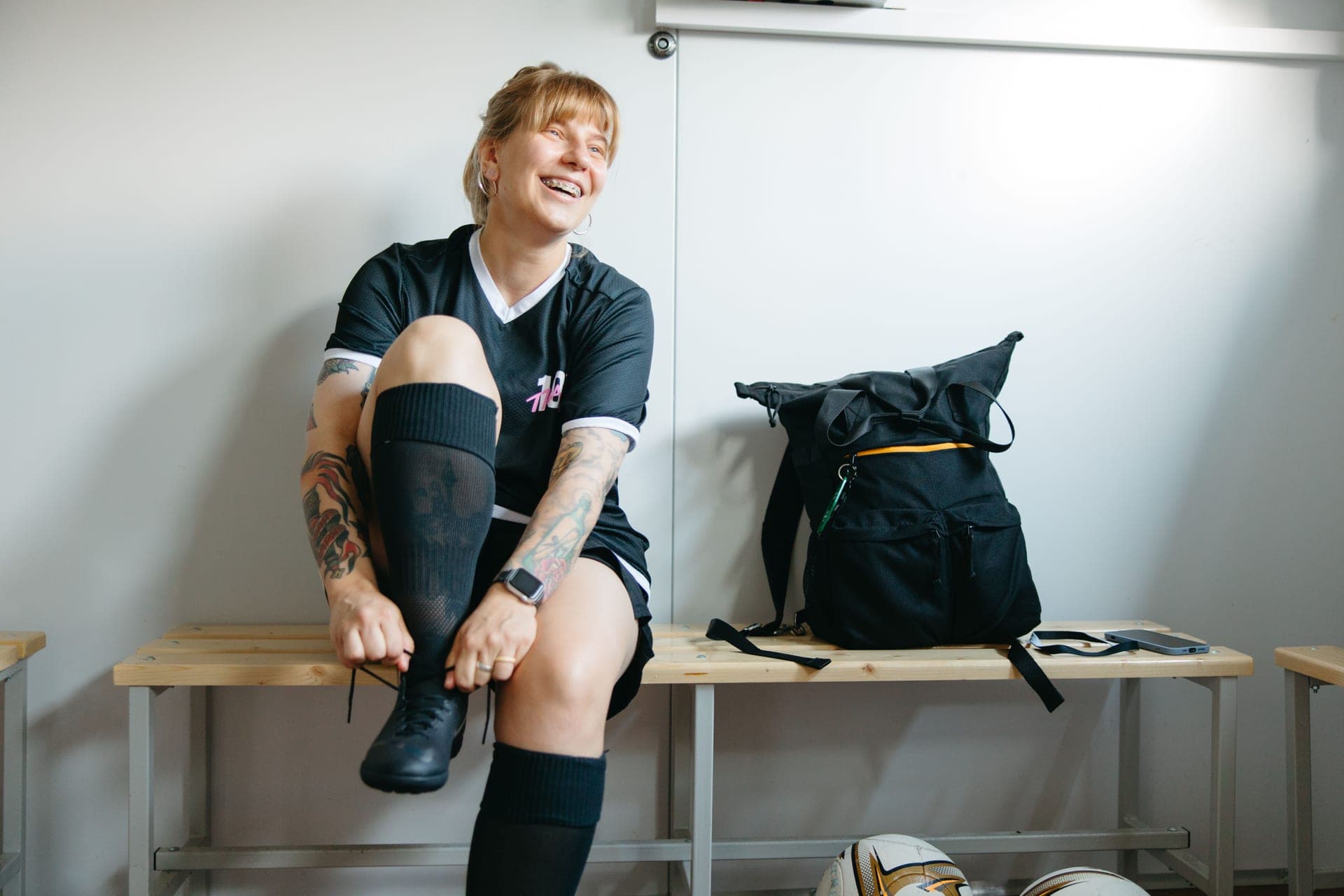
A locker with work shoes and a bag inside

The shortlist

Quick picks

Tap any row to jump to that pick’s full write-up. The price column goes straight to Amazon.

Ranked comparison of our picks, with what each one is best for and our overall score
#ProductBest forScorePrice
1
A white leather slip-resistant work sneaker with a thick midsole

HOKA Bondi SR

Slip-resistant rubber, water-resistant leather and an APMA Seal - the fewest ways to be told no on day one.
The one pair that passes any policy8.6/ 10
2
A professional leather clog with a dual-density footbed

Dansko XP 2.0 Clog

Stated slip resistance, a removable footbed, and the widest retail presence of any clog here.

A shoe you can re-buy in an unfamiliar city8.3/ 10
3
A black slip-resistant lace-up work sneaker

Skechers Work Ghenter-Bronaugh

ASTM-tested slip resistance and an EH rating for roughly a third of the price of the Bondi SR.

A compliant pair on a first-contract budget7.9/ 10
4
A thick-soled recovery foam clog

OOFOS OOcloog

Machine washable recovery foam at $79.95 - for the hotel room, not the unit.

The second pair that packs flat7.2/ 10

Scores are our own editorial assessment of how well each product suits the job on this page. They are not a product rating from reviews and not the result of testing - we have not worn or used these. We print no prices: every button goes to the current one on Amazon, last checked October 13, 2026. #ad

The best single shoe for a travel contract is the HOKA Bondi SR, because it is the pick with the fewest ways to fail an unseen dress code: closed toe, water-resistant leather, full-coverage slip-resistant outsole and an APMA Seal. If your budget has to cover scrubs and a deposit in the same month, the Skechers Work Ghenter-Bronaugh gets you an ASTM-tested sole for roughly a third of the money.

The constraint is information, not comfort

Every other page in this hub assumes you know your floor. On a travel contract you do not. You sign for thirteen weeks, then find out at orientation whether the unit enforces a slip-resistance standard, bans open backs, bans mesh, or has polished concrete for half a mile. That asymmetry is the reason this is a separate buying decision: the rational move is to buy once for the strictest plausible rule, rather than buy comfortably and risk a shoe you cannot wear on day one in a city where you do not know the shops.

Four things that matter more than they do at home

  • Named standards on the listing. “Slip resistant” is a marketing phrase; ASTM F1677 or EN ISO 20347 SRC is a document. When a manager asks, you want to be able to answer.
  • Re-buyability. Mid-contract, a dead pair needs replacing fast. A model sold in every mall beats a better shoe you can only get online with a four-day wait.
  • Break-in before the contract, not during it. Starting week one in unbroken-in clogs is how a good assignment turns miserable. Cork-latex footbeds in particular want two to three weeks, which is why none are on this list.
  • Volume in the suitcase. Two pairs is right; three is luggage. The second pair earns its space by being the one you recover in, not by being a near-duplicate of the first.

Side by side

What each listing actually publishes
ShoeRated toClosureBreak-in
HOKA Bondi SR0.77 SATRA TM144 heel traction; APMA SealLacedMinimal
Dansko XP 2.0Stated slip resistant, no named standard; APMA AcceptedOpen-back clogA few shifts
Skechers Ghenter-BronaughASTM F1677-2005 Mark II; EH to ASTM F2892-11LacedMinimal
OOFOS OOcloogNo slip-resistance rating published; APMA SealStep inNone

Laundry, lockers and short-term rentals

A thirteen-week rental rarely has the setup you have at home. If your shoes need cleaning you want a material you can wipe or rinse in a sink rather than something that needs a cycle and a drying rack, which is an argument for leather and molded foam over knit mesh - the same argument our waterproof roundup makes about fluid exposure. Note that OOFOS is machine washable but air dry only, so plan for it to be out of action overnight.

When the policy turns out stricter than your shoes

It happens, usually at orientation. Two cheap fixes buy you time: a rigid insole makes a compliant-but-flat shoe survivable for a week, and most hospital-adjacent retail carries one slip-resistant model you can get into the same afternoon. The thing not to do is work a month in a shoe you were told to replace - that is how a footwear note ends up in a file, and the shoe is the cheapest part of a travel contract.

Before you buy

  • Ask your recruiter for the footwear line in the dress code before you pack. They can usually get it, and it costs nothing to ask.
  • Buy and wear the shoe two weeks before you fly. A fit problem found at home is an exchange; found on contract it is a shift.
  • Pick a model with national retail presence so a mid-contract replacement is a drive rather than a shipment.
  • Keep the specs. Photograph the listing figures before you travel - that is the quickest answer to a manager asking what your soles are rated for.

The picks in full

Every pick, in order

01

The one pair that passes any policy

HOKA Bondi SR

Slip-resistant rubber, water-resistant leather and an APMA Seal - the fewest ways to be told no on day one.

A white leather slip-resistant work sneaker with a thick midsole

Slip-resistant leather work shoe

Stack (listed)
42 mm heel / 36 mm forefoot men's; REI lists 41 mm / 35 mm women's
Stack (lab measured)
39.4 mm / 31.2 mm (RunRepeat calipers)
Drop
6 mm listed; 8.2 mm measured by RunRepeat
Weight
About 14 oz men's / 11.5 oz women's - the heaviest shoe on this site
Upper
Water-resistant genuine leather with no ventilation perforations
Outsole
Slip-resistant rubber, full coverage, 5.9 mm thick
Slip resistance (tested)
0.77 heel traction in RunRepeat's SATRA TM144 test, against a 0.49 walking-shoe average
APMA
Seal of Acceptance

Specs: RunRepeat - HOKA Bondi SR lab review and SATRA traction test

A travel contract is the one situation where buying for the strictest plausible rule is rational, because you cannot check first and you cannot easily shop on day two in a city you do not know. This is a full-coverage slip-resistant outsole with 0.77 measured heel traction, an unperforated water-resistant leather upper and an APMA Seal of Acceptance: closed toe, fluid-resistant and rated, which no reasonable policy rejects. It is heavy at about 14 oz and it does not breathe, and that is the price of the certainty.

Policy compliance9.6
Slip resistance (tested)9.8
Cushioning9.2
Packability3.0
Weight3.2
Overall8.6 / 10

What it gets right

  • The only HOKA built for a wet floor rather than a road: lab-tested heel traction of 0.77 against a 0.49 walking-shoe average
  • Leather upper wipes clean, which no mesh running shoe can do - this is the HOKA that survives a spill
  • Bondi-family cushioning in a shoe a slip-resistance policy will actually accept
  • APMA Seal of Acceptance, and wide builds exist in both men's and women's

What it gets wrong

  • About 14 oz in a men's 9 - heavier than every other shoe on this site, and twelve hours of that is real
  • Zero ventilation by design: unperforated leather is waterproof and hot in the same breath
  • RunRepeat's Dremel test scored the heel padding 1 out of 5 for durability, and measured outsole wear of 2.5 mm against a 1.3 mm average
  • Very stiff - 27.4 N to bend it 30 degrees, roughly twice the average - so there is no flex to break in
  • Listed and measured stack disagree by 3-5 mm, and the measured drop is 8.2 mm rather than the stated 6 mm

Who should skip itYour unit has no slip-resistance requirement and your feet run hot. You would be carrying 14 oz of unventilated leather to solve a problem you do not have - the Clifton 10 is five ounces lighter and breathes.

Check price on Amazon

#ad How we earn - we never print a price we cannot verify

02

A shoe you can re-buy in an unfamiliar city

Dansko XP 2.0 Clog

Stated slip resistance, a removable footbed, and the widest retail presence of any clog here.

A professional leather clog with a dual-density footbed

Leather nursing clog, slip resistant

Heel height
1.7 in
Footbed
Dual-density PU with memory foam, removable
Arch
Dansko Natural Arch
APMA
Accepted
Slip resistance
Stated slip resistant

Specs: Dansko - XP 2.0 Black Waterproof Pull Up product page

The underrated spec for a travel nurse is whether you can walk into a store in a new city and buy the identical shoe again. Dansko's retail footprint is the best answer to that in the clog category, and the XP 2.0 adds stated slip resistance, a 1.7 in heel and a dual-density PU footbed with memory foam that comes out if you use an orthotic. It is APMA Accepted. What it is not is a shoe for running: an open-back clog has no heel retention, and a float assignment to the ER will make you notice.

Availability9.4
Arch support9.2
Orthotic friendly9.6
Published standards5.6
Sprint suitability3.6
Overall8.3 / 10

What it gets right

  • The removable footbed is the difference that matters: you can pull it and drop in your own orthotic
  • Lower heel than the standard Professional, which is easier on the forefoot
  • Slip resistance is stated for this model, not inferred
  • Waterproof versions exist, which is the right answer for anyone who gets fluid on their shoes

What it gets wrong

  • Costs more than the standard Professional
  • Still an open-back clog with the heel-retention problem that comes with it
  • Narrower feel than the Professional in several colorways per aggregate owner reports

Who should skip itYou want the cheapest route into a Dansko. The standard Professional is less money and the XP 2.0's advantages - removable footbed, stated slip resistance - only pay off if you will actually use them.

Check price on Amazon

#ad How we earn - we never print a price we cannot verify

03

A compliant pair on a first-contract budget

Skechers Work Ghenter-Bronaugh

ASTM-tested slip resistance and an EH rating for roughly a third of the price of the Bondi SR.

A black slip-resistant lace-up work sneaker

Slip-resistant work sneaker

Slip resistance
Sole tested to ASTM F1677-2005 Mark II
Electrical hazard
EH rated to ASTM F2892-11
Coefficient
Listings state it meets or exceeds 0.5 on wet and oily surfaces
Insole
Skechers Memory Foam

Specs: Vet-Direct - Skechers Ghenter Bronaugh listing with ASTM figures

The sole is tested to ASTM F1677-2005 Mark II with an EH rating to ASTM F2892-11, and listings state it meets or exceeds 0.5 on wet and oily surfaces - a named-standard answer to a dress code written by someone in risk management. The cushioning is a memory foam insole rather than an engineered midsole, so on a concrete-floor unit budget for an aftermarket insole on top. It is still the cheapest compliant route on this page.

Value9.4
Published standards9.0
Slip resistance8.6
Cushioning5.4
Longevity6.0
Overall7.9 / 10

What it gets right

  • Rated slip resistance with an actual test standard and coefficient attached - most sneakers in this price band have neither
  • Sneaker shape with work credentials, so it clears a dress code without feeling like a clog
  • The cheapest route to a compliant lace-up by a long way
  • Widely available in wide sizes

What it gets wrong

  • Memory-foam insole is comfortable on day one and flattened by month three
  • Cushioning is nowhere near the running-shoe options
  • Listings cite different ASTM standards across Skechers work models (F2892, F2413, F1677), so check the specific SKU against your employer's list
  • Manufacturer spec sheets are hard to find; most figures come from retailers

Who should skip itYou need serious cushioning for a concrete-floor unit. This is a compliance shoe with a comfort insole, not a cushioned shoe - budget for an aftermarket insole on top.

Check price on Amazon

#ad How we earn - we never print a price we cannot verify

04

The second pair that packs flat

OOFOS OOcloog

Machine washable recovery foam at $79.95 - for the hotel room, not the unit.

A thick-soled recovery foam clog

Recovery foam clog

Retail
$79.95
Midsole
Impact-absorbing OOfoam
Care
Closed cell, machine washable, air dry only
APMA
Seal of Acceptance
Impact figure
No published figure for this model - the 37% claim belongs to the Cloog PLUS

Specs: OOFOS - Women's OOcloog product page

Travel contracts mean living out of a suitcase, so the second pair has to justify its volume. This one does it by being the thing you change into: closed-cell OOfoam, machine washable, air dry only, with an APMA Seal of Acceptance. It is explicitly not a shift shoe - OOFOS does not rate the OOcloog for slip resistance, and the widely quoted 37% impact-absorption figure belongs to the Cloog PLUS rather than this model.

Recovery comfort9.6
Packability8.8
Cleanability9.4
Slip resistance2.0
Shift suitability3.0
Overall7.2 / 10

What it gets right

  • The softest thing you can legitimately wear on a hard floor, and it genuinely takes load off the knees
  • APMA Seal of Acceptance, and the raised rim plus cupped heel give it more hold than a flat foam clog
  • Machine washable, which no leather clog can claim
  • The shoe most often described as the one you change into after a shift, not during

What it gets wrong

  • OOFOS publishes no impact-absorption figure for the OOcloog specifically - the widely quoted 37% belongs to a different model
  • The product page makes no arch-support claim at all; arch support comes up only in customer reviews, and those reviews disagree with each other
  • No slip-resistance rating, so many units will not allow it
  • Air dry only - there is no fast turnaround if you soak it

Who should skip itYour unit requires slip-resistant footwear. OOFOS does not rate the OOcloog for slip resistance and a soft foam outsole is exactly what a wet floor punishes.

Check price on Amazon

#ad How we earn - we never print a price we cannot verify

FAQ

Questions people actually ask

What shoes do travel nurses wear?

In practice, whatever passed at the last assignment - which is the problem. The pattern that works is one rated, closed-toe, wipeable pair that satisfies a strict policy, plus one soft pair for the commute and the hotel. Buying two comfortable non-rated pairs is the common mistake, because the first unit with a slip-resistance rule makes both unusable at work.

Can I wear Danskos on a travel contract?

Usually, and the XP 2.0 adds stated slip resistance to the usual Dansko case. The exception is a unit that bans open backs, which some ERs and ORs do, and the practical caveat is that a clog with no heel retention is poor for anything faster than a brisk walk. If a float pool is part of your contract, a laced shoe is the safer single purchase.

How many pairs of shoes should a travel nurse pack?

Two. One rated work pair and one recovery pair that packs flat. A third pair is almost always a duplicate of the first, and suitcase space is worth more than a spare colorway.

Should I buy new shoes at the start of each contract?

Only if the old pair is finished - and midsole foam dies long before an upper looks worn. Starting a contract in a brand-new shoe also means doing your break-in on an unfamiliar floor, which is the worst time for it. Our guide on how often to replace nursing shoes lists the signs that a pair is actually done.

Are slip-resistant shoes required for travel nursing?

It depends entirely on the facility, and you usually find out after you sign. That is why buying one rated pair up front is the low-regret choice: it costs nothing extra in a category where rated and unrated shoes sell for similar money, and it removes the one footwear problem you cannot fix remotely.

How this page was put together

We start from the problem the gear has to solve over twelve hours, shortlist products that are currently sold, compare the manufacturers’ published specifications against what that problem actually needs, and read owner feedback at volume to find the failure modes worth reporting. We have not worn, used or physically tested any of this. Where a figure comes from a manufacturer we name them; where published figures disagree with each other we say so rather than picking the flattering one; where nobody publishes a figure we say that too. We print no prices, because a stale number is worse than none. Read the full method.