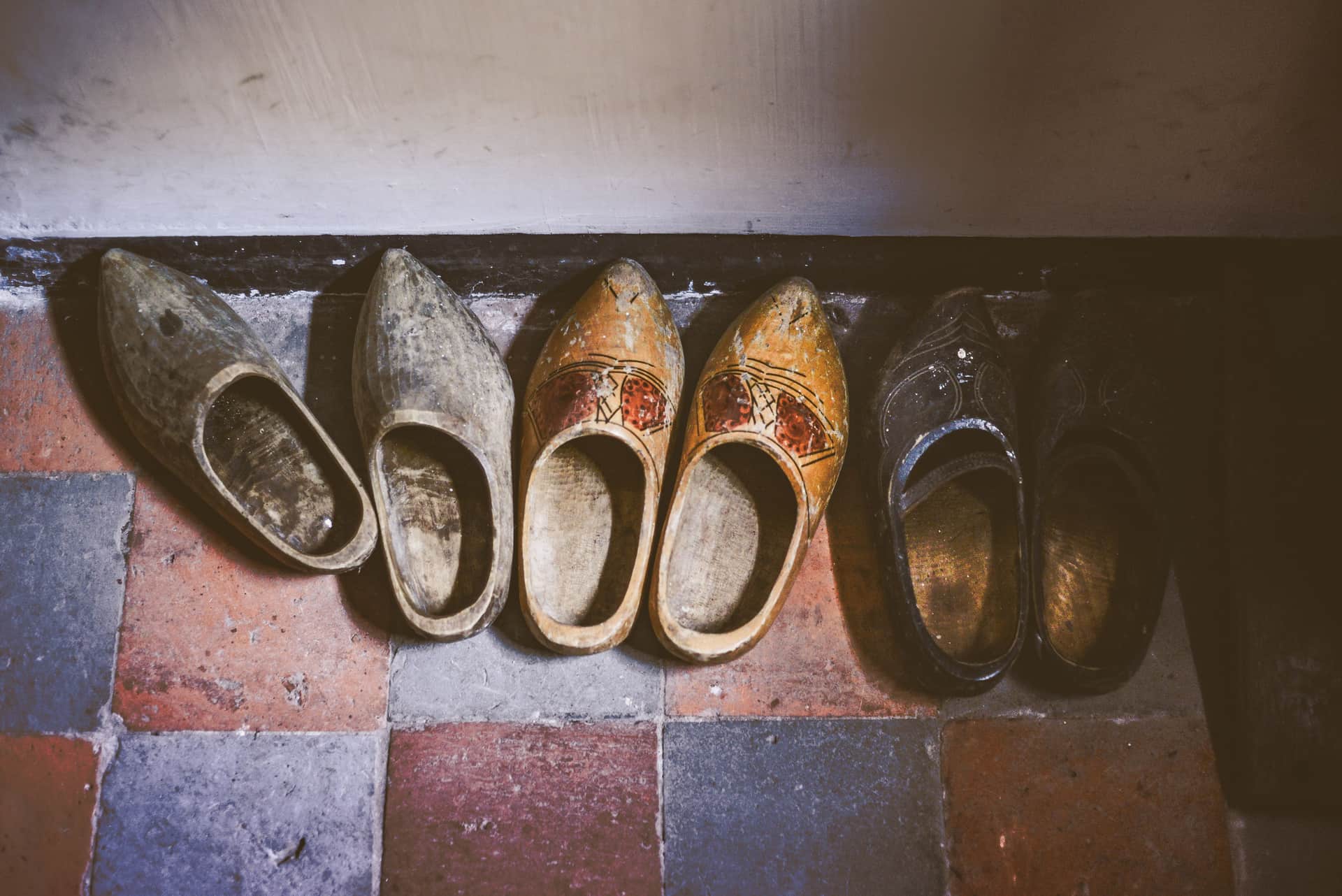
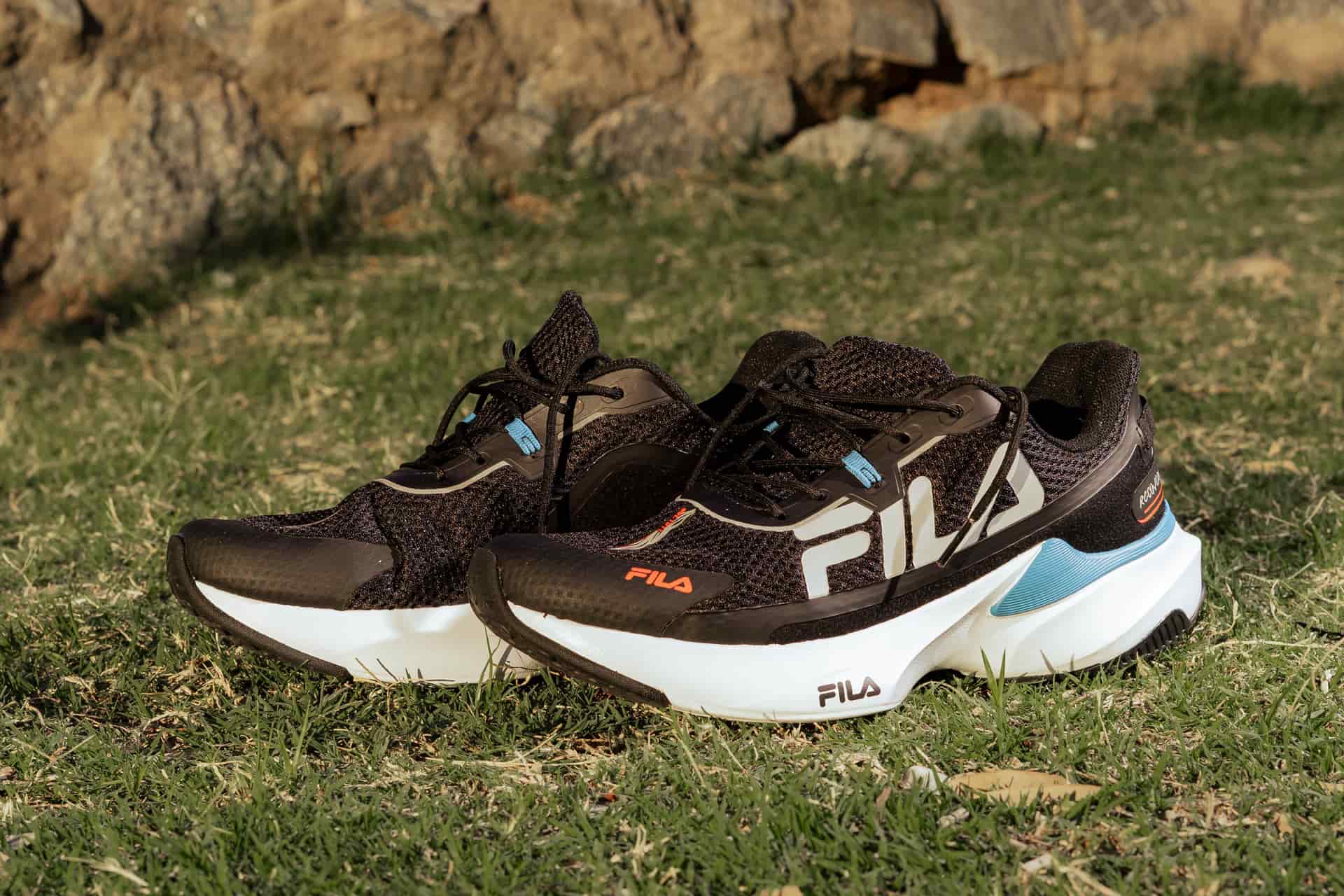
Buy a clog if your shift is mostly standing in one place, your arches are what ache, or things regularly get spilled on your shoes. Buy a sneaker if you cover real distance, take stairs, or ever need to move quickly. The deciding question is not comfort - it is how fast you move.
The comparison in one table
Where each category genuinely wins| Factor | Leather clog | Cushioned sneaker |
|---|
| Heel retention | Poor (open back) to good (closed back) | Excellent - laced |
| Static arch support | Excellent - rigid shank | Moderate, degrades across the shift |
| Cushioning | Modest | Excellent - 36 to 43 mm of stack |
| Weight | Heavy | 8 to 10.5 oz |
| Cleanability | Wipes clean; some publish a wash figure | Absorbs; needs a day to dry |
| Slip resistance | Often stated; rarely a named standard | None on running shoes; work models have it |
| Break-in | Real - days to weeks | Minimal |
| Width ranges | Limited | Deep - multiple widths standard |
Heel retention is the decider
An open-back clog stays on by pressure, not by being fastened. At a walking pace that works. When you accelerate, turn sharply or take stairs quickly, your heel lifts and your toes grip to keep the shoe on - which over thousands of repetitions causes its own problems, and occasionally loses you the shoe when you least want to lose it.
This is why the advice splits so cleanly by unit. ER work points at sneakers almost without exception; OR work points at clogs. Closed-back clogs exist and remove the objection, and if you move quickly they are the only clogs worth considering.
Static support is the clog’s real argument
Standing still gives your arch no unloading cycle - no swing phase, no moment of relief. A shoe with a flexible shank transfers progressively more of the arch work to you as the shift wears on, which people describe as their feet giving out around hour eight.
A rigid shank prevents that. It is not a marketing feature; it is the mechanical reason clogs survive in a profession that otherwise has every reason to prefer sneakers.
Cushioning and weight are the sneaker’s
A cushioned sneaker has 36 to 43 mm of midsole under the heel. A leather clog has a fraction of that, and on concrete you feel the difference late in a shift. Sneakers are also substantially lighter, which compounds over a high step count into hip and lower-back fatigue people rarely trace back to their shoes.
Cleanability is the clog’s other win
Leather and polyurethane wipe clean. Knit and mesh absorb, and then the shoe is out of service for a day. If you work somewhere messy and own one pair, that is a genuine operational problem rather than an inconvenience - and it is covered properly on the waterproof page.
Who should buy which
OR, procedural, bench, pharmacy - standing in one spot for hours. Clog. The rigid shank is the most valuable feature available to you.
ER, rapid response, anything where you run. Sneaker, or a closed-back clog. Open-back clogs are the wrong tool.
Med-surg, walking a building all shift. Sneaker. Weight and lockdown both matter at high step counts.
Your employer requires rated footwear. A rated work shoe or a clog that states slip resistance. Running shoes are out regardless.
You have plantar fasciitis or a collapsing arch. A rigid clog, or a sneaker with a rigid insole. What matters is structure, not which category it comes in.
The answer plenty of people land on
Both, alternating. A clog for standing-heavy shifts and a sneaker for walking-heavy ones is not a cop-out: the demands genuinely differ, foam needs a day to decompress between wears anyway, and alternating changes which tissues get loaded instead of loading the same ones every shift. If you work three or four twelves a week, two pairs in rotation usually outlast two pairs worn consecutively.