Skip to content
Shift & Sole

Buying guide · Shoes & Clogs

Best sneakers for nurses

Most of these are running shoes doing a job they were not designed for. That is fine, as long as you know which compromises you are accepting.

By Selena H.
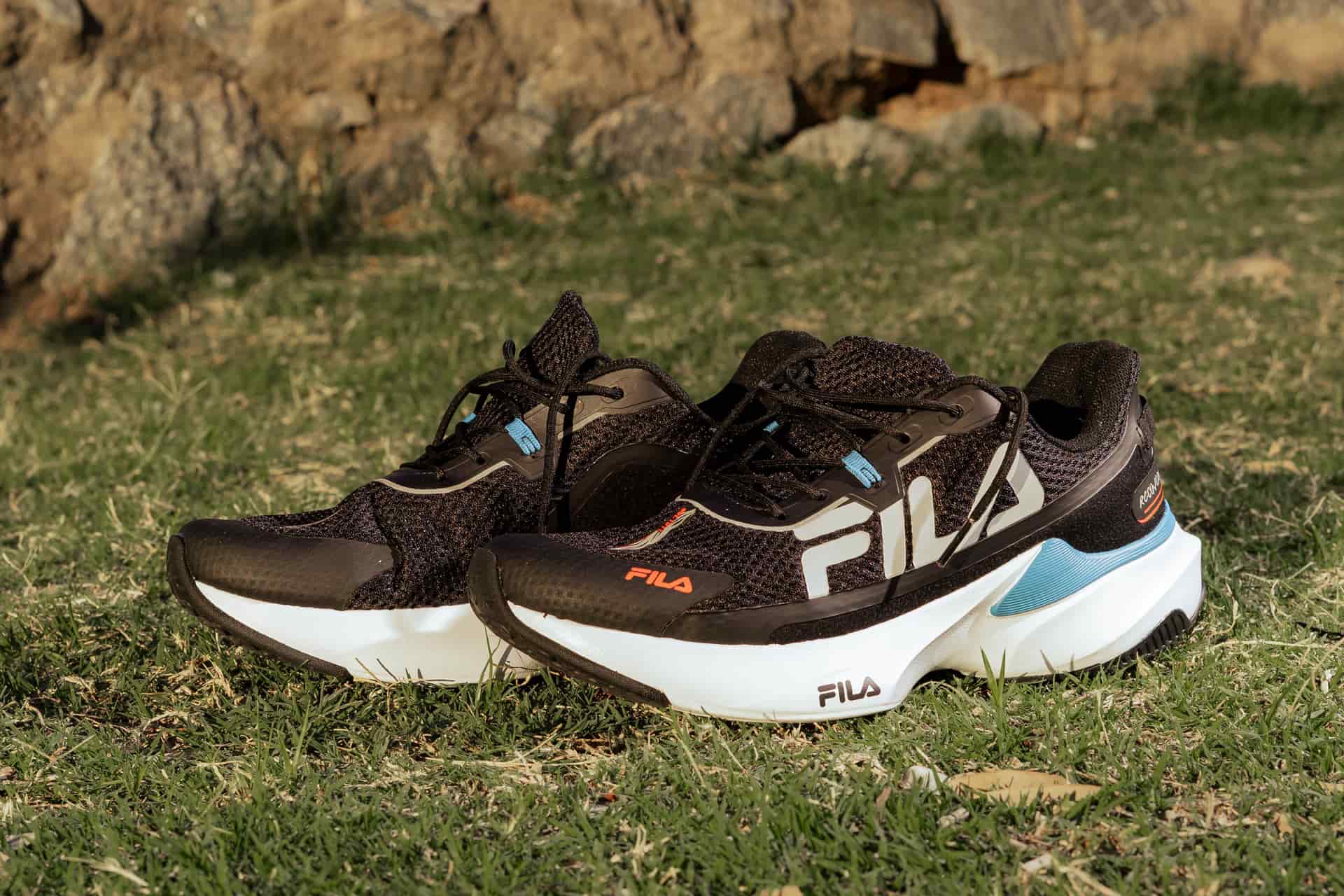
A cushioned running sneaker in a neutral colorway

The shortlist

Quick picks

Tap any row to jump to that pick’s full write-up. The price column goes straight to Amazon.

Ranked comparison of our picks, with what each one is best for and our overall score
#ProductBest forScorePrice
1
A thick-soled cushioned running shoe in a neutral colorway

HOKA Bondi 9

The most stack available, in three widths.

Maximum cushioning8.4/ 10
2
A neutral daily running shoe with a mesh upper

Brooks Ghost 17

The safest sneaker here: neutral, 10 mm drop, not a platform.

A balanced default8.3/ 10
3
A cushioned running shoe with a knit upper

New Balance Fresh Foam X 1080v14

The deepest width range, currently discounted.

Non-standard widths8.2/ 10
4
A structured stability running shoe with a supportive midsole

ASICS Gel-Kayano 32

The stability pick, with support from geometry rather than a hard post.

Overpronation8.0/ 10
5
A black slip-resistant lace-up work sneaker

Skechers Work Ghenter-Bronaugh

The only option here with a published slip-resistance standard.

A sneaker that clears a footwear policy7.5/ 10

Scores are our own editorial assessment of how well each product suits the job on this page. They are not a product rating from reviews and not the result of testing - we have not worn or used these. We print no prices: every button goes to the current one on Amazon, last checked October 13, 2026. #ad

Four of the five shoes on this page are running shoes. That is not a criticism - they are the best cushioned, best fitting footwear available at this price, and the demands of standing on a hard floor overlap substantially with the demands of running on one. But it does mean accepting two compromises that nobody selling them mentions.

Compromise one: no slip-resistance rating

Running shoe outsoles are designed for traction on dry pavement. They are not tested for wet or oily floors, and they carry no rating to that effect. A hospital corridor that has just been mopped, or a floor with fluid on it, is exactly the surface that testing exists to characterize.

If your employer specifies a named standard - ASTM F2913, ASTM F1677, EN ISO 20347 SRC - then four of these five are out before you consider comfort. Check the policy first. It is a frustrating constraint and it is not negotiable.

Compromise two: the upper absorbs

Knit and engineered mesh uppers breathe well and soak up anything spilled on them. A leather clog gets wiped; a mesh sneaker gets taken home, washed and dried for a day. If you only own one pair, a bad spill at hour three means nine hours in a wet shoe and no shoe for tomorrow.

Two mitigations: own two pairs so one can always be drying, or accept the compromise and keep a wipeable pair for the shifts you expect to be messy.

What a sneaker gives you in exchange

Cushioning no clog matches. The stack heights here run from 36.5 mm to 43 mm of midsole foam. A leather clog has a fraction of that, and on concrete you feel the difference.

Heel retention. This is the big one. Laces fasten the shoe to your foot, so you can move quickly, take stairs properly and respond to something urgent without your shoe coming off. For a lot of units this alone settles the clog question.

Weight. A cushioned sneaker is 8 to 10.5 oz. A leather clog is substantially more, and over 15,000 steps that compounds.

Width ranges that actually exist. Running brands build multiple widths as standard, which the clog market mostly does not.

Reading the two numbers that matter

Stack height is material between you and the floor. More is more cushioning. On a twelve-hour standing shift that is worth real money.

Drop is the heel-to-forefoot height difference, here from 5 mm to 10 mm. Higher drop takes load off the calf and Achilles; lower drop puts more there. If your calves are what tighten up rather than your feet, drop is the variable to change.

One honest warning visible in the specs on this page: manufacturer drop figures and independently measured ones sometimes disagree sharply. HOKA lists 5 mm for the Bondi 9 and RunRepeat measured 9.1 mm, which is not a rounding difference. If you chose a shoe for its drop, know which number you are trusting.

Replace them before they look worn

The failure mode for a sneaker is the midsole, not the tread. Foam compresses permanently under load, and a shoe can have plenty of outsole left while the cushioning you bought it for is gone. That is why the replacement guide tells you to press the midsole rather than look at the sole.

The picks in full

Every pick, in order

01

Maximum cushioning

HOKA Bondi 9

The most stack available, in three widths.

A thick-soled cushioned running shoe in a neutral colorway

Maximum-cushion neutral sneaker

Stack (listed)
43 mm heel / 38 mm forefoot
Stack (lab measured)
41.3 mm / 32.2 mm (RunRepeat)
Drop
5 mm listed; 9.1 mm measured by RunRepeat
Weight
About 10.5 oz, men's
Widths
Standard, Wide, X-Wide

Specs: RunRepeat - HOKA Bondi 9 lab review

If the thing hurting you is the floor, this is the answer: 43 mm of listed heel stack is the most of it in the mainstream, and the rocker geometry keeps you moving. The X-Wide build is the reason it beats the others for a long standing shift, because swelling needs volume. Check the drop discrepancy in the specs before you commit if drop matters to you.

Cushioning9.6
Width options9.2
Swelling accommodation9.0
Cleanability5.0
Slip resistance3.0
Overall8.4 / 10

What it gets right

  • The most cushioning in the mainstream lineup, which is the single best answer to concrete floors
  • Genuinely available in Wide and X-Wide, not just a roomier standard
  • The rocker geometry keeps you moving forward when your legs have stopped wanting to
  • Easy to find in person at any running shop, so you can try the size before you buy

What it gets wrong

  • HOKA's listed 5 mm drop and RunRepeat's measured 9.1 mm do not agree - if drop matters to your knees, that is a real discrepancy
  • Mesh upper absorbs anything spilled on it and takes a day to dry
  • Tall stack means less ground feel, which some people find unstable at first
  • Not slip-resistant rated: this is a running shoe doing a work-shoe job

Who should skip itYour unit requires a slip-resistant rated shoe, or you get fluid on your feet regularly. A knit running upper is the wrong material for either.

Check price on Amazon

#ad How we earn - we never print a price we cannot verify

02

A balanced default

Brooks Ghost 17

The safest sneaker here: neutral, 10 mm drop, not a platform.

A neutral daily running shoe with a mesh upper

Neutral daily sneaker

Stack
36.5 mm heel / 26.5 mm forefoot
Drop
10 mm, down from 12 mm on the Ghost 16
Weight
10.1 oz men's / 8.97 oz women's
Midsole
DNA Loft v3
Retail
$150 at Fleet Feet

Specs: Fleet Feet - Brooks Ghost 17 product page

If you do not know what your feet need yet, buy this one. It has no strong opinion about your gait, the 10 mm drop is the gentlest option here for calves and Achilles, and at 36.5 mm in the heel it feels like a shoe rather than a platform. The women's build is 8.97 oz, which is the lightest cushioned option on this page.

Balance of qualities9.0
Calf relief8.8
Stability underfoot8.4
Weight8.0
Slip resistance3.0
Overall8.3 / 10

What it gets right

  • The least opinionated shoe in this category: it does not try to correct your gait, it just cushions
  • Lower stack than a HOKA, so it feels like a shoe rather than a platform - better if tall stacks make you feel wobbly
  • 10 mm drop takes load off the calf and Achilles, which matters if that is where your pain is
  • Wide and extra-wide versions exist in most colorways

What it gets wrong

  • Less cushioning than the maximum-stack options, and on concrete you notice by hour ten
  • The drop changed from the Ghost 16, so a repeat buyer is not getting the same shoe
  • Not slip-resistant rated

Who should skip itYou have plantar fasciitis and need maximum cushioning plus a firm heel counter. The Ghost is a soft, neutral shoe and it will not hold a collapsing arch up.

Check price on Amazon

#ad How we earn - we never print a price we cannot verify

03

Non-standard widths

New Balance Fresh Foam X 1080v14

The deepest width range, currently discounted.

A cushioned running shoe with a knit upper

Cushioned neutral sneaker, multiple widths

Stack
38 mm heel / 32 mm forefoot
Drop
6 mm
Weight
About 9.9 oz
Widths
Standard D and 2E confirmed at retail
Generation
v15 has shipped, so v14 is often discounted

Specs: Run and Become - New Balance 1080v14 D Wide listing

Start here if standard widths have never worked for you - the range is the reason, not the shoe. A 38/32 mm stack with a 6 mm drop sits usefully between the HOKA and the Brooks, and with the v15 shipped the v14 is often the best value on this page. Reported weights vary a lot between listings, so do not fixate on one figure.

Width options9.6
Value9.0
Cushioning8.6
Balance of qualities8.4
Slip resistance3.0
Overall8.2 / 10

What it gets right

  • New Balance's width range is the deepest in the mainstream - this is the brand to start with if your foot is not a standard D
  • 6 mm drop sits between the HOKA and Brooks options, which suits people who are unsure what drop they want
  • Because the v15 has shipped, the v14 is frequently the best value in this whole category

What it gets wrong

  • Reported weights vary widely between retailers (237 g to 302 g depending on width and listing) - do not trust a single figure
  • Several reviewers find the standard D tight at the big toe, so size up a width rather than a length
  • Previous-generation stock means your size and color may simply be gone
  • Not slip-resistant rated

Who should skip itYou need to be able to re-buy the identical shoe in six months. Buying a superseded generation means next time you are starting the fit process over.

Check price on Amazon

#ad How we earn - we never print a price we cannot verify

04

Overpronation

ASICS Gel-Kayano 32

The stability pick, with support from geometry rather than a hard post.

A structured stability running shoe with a supportive midsole

Stability sneaker

Stack
40 mm heel / 32 mm forefoot
Drop
8 mm, down from 9-10 mm on earlier versions
Stability
4D Guidance System tab under the arch, no medial post
Weight
About 10.7-10.8 oz

Specs: Doctors of Running - ASICS Gel-Kayano 32 review

The only shoe here with genuine pronation control, and the mechanism is the reason to prefer it: a wide base, raised sidewalls and a 4D Guidance tab under the arch, rather than a firm medial wedge pressing into an arch that already aches. It is the heaviest and stiffest option here, and it is the wrong buy if your gait is neutral.

Stability9.4
Arch support8.8
Cushioning8.0
Weight5.6
Slip resistance3.0
Overall8.0 / 10

What it gets right

  • Real stability without a hard medial post digging into your arch - the guidance tab is a gentler mechanism
  • The pick if your arches roll inward and soft neutral shoes leave your knees aching
  • Wide sole and raised sidewalls, which is structural stability rather than a corrective wedge

What it gets wrong

  • One review source lists a 10 mm drop and 42 mm heel, which contradicts the 8 mm / 40 mm figures the others give
  • Firmer and stiffer than the cushioned neutral options; reviewers describe it as a taller, stiffer daily trainer
  • Sources disagree on how much support it offers - one calls it moderate stability, another premium stability
  • Not slip-resistant rated

Who should skip itYou have a neutral gait. Stability features you do not need are weight and stiffness you are carrying for nothing.

Check price on Amazon

#ad How we earn - we never print a price we cannot verify

05

A sneaker that clears a footwear policy

Skechers Work Ghenter-Bronaugh

The only option here with a published slip-resistance standard.

A black slip-resistant lace-up work sneaker

Slip-resistant work sneaker

Slip resistance
Sole tested to ASTM F1677-2005 Mark II
Electrical hazard
EH rated to ASTM F2892-11
Coefficient
Listings state it meets or exceeds 0.5 on wet and oily surfaces
Insole
Skechers Memory Foam

Specs: Vet-Direct - Skechers Ghenter Bronaugh listing with ASTM figures

Worth its place for one reason: it is the only sneaker on this page you can wear on a unit that requires rated footwear. ASTM F1677-2005 Mark II for the sole, ASTM F2892-11 for electrical hazard, and listings stating 0.5 or better on wet and oily surfaces. The cushioning is not in the same category as the others, so budget for an insole from day one.

Slip resistance9.0
Value9.2
Cleanability7.0
Cushioning5.4
Arch support4.6
Overall7.5 / 10

What it gets right

  • Rated slip resistance with an actual test standard and coefficient attached - most sneakers in this price band have neither
  • Sneaker shape with work credentials, so it clears a dress code without feeling like a clog
  • The cheapest route to a compliant lace-up by a long way
  • Widely available in wide sizes

What it gets wrong

  • Memory-foam insole is comfortable on day one and flattened by month three
  • Cushioning is nowhere near the running-shoe options
  • Listings cite different ASTM standards across Skechers work models (F2892, F2413, F1677), so check the specific SKU against your employer's list
  • Manufacturer spec sheets are hard to find; most figures come from retailers

Who should skip itYou need serious cushioning for a concrete-floor unit. This is a compliance shoe with a comfort insole, not a cushioned shoe - budget for an aftermarket insole on top.

Check price on Amazon

#ad How we earn - we never print a price we cannot verify

FAQ

Questions people actually ask

Are running shoes good for nursing?

They are the best-cushioned, best-fitting option at this price and they give you real heel retention - which clogs do not. The two costs are no slip-resistance rating and an upper that absorbs spills. Whether those are acceptable depends on your employer and your unit.

Which sneaker should I buy if I do not know what my feet need?

A balanced neutral shoe with a moderate stack and a 10 mm drop - that is the Brooks Ghost 17 on this page. It has no strong opinion about your gait, which is the right starting point before you know whether you need stability or maximum cushioning.

Can I get slip-resistant sneakers?

Yes, from work-footwear ranges rather than running brands - and you give up most of the cushioning. The Skechers work model on this page cites ASTM F1677-2005 Mark II, which is a real test standard rather than a marketing phrase. Plan on adding an insole.

How do I clean a mesh sneaker after a spill?

Remove the insole, wash the shoe cool by hand or on a gentle cycle in a bag, and air dry away from heat - heat distorts the midsole and melts adhesives. It will take a day, which is the real argument for owning two pairs.

What stack height should I look for?

For standing on concrete, more is generally better, and these range from 36.5 mm to 43 mm in the heel. The exception is if tall stacks make you feel unsteady, in which case a lower-stack shoe with a wider base is the better trade.

How this page was put together

We start from the problem the gear has to solve over twelve hours, shortlist products that are currently sold, compare the manufacturers’ published specifications against what that problem actually needs, and read owner feedback at volume to find the failure modes worth reporting. We have not worn, used or physically tested any of this. Where a figure comes from a manufacturer we name them; where published figures disagree with each other we say so rather than picking the flattering one; where nobody publishes a figure we say that too. We print no prices, because a stale number is worse than none. Read the full method.