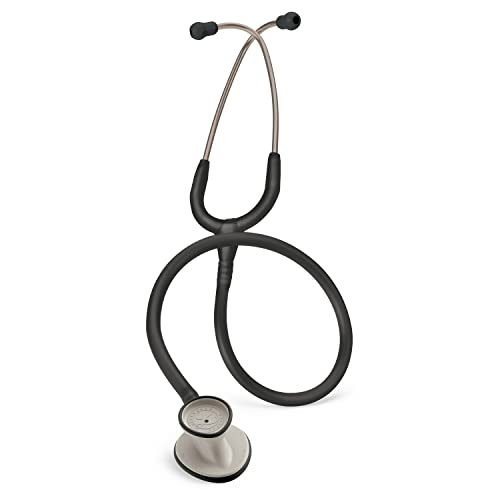
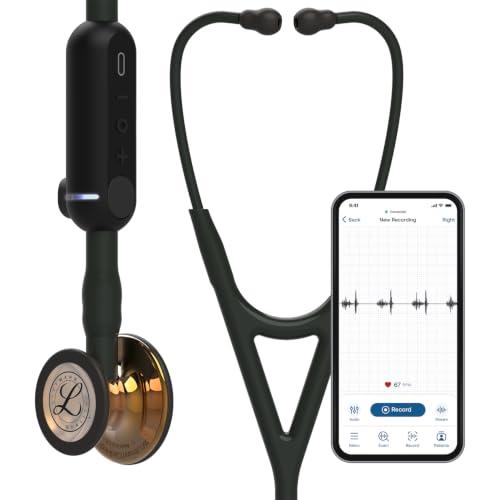
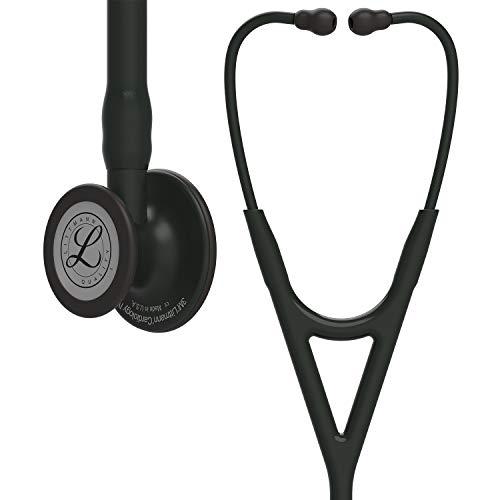
The verdict, immediately. The Littmann Cardiology IV is the pick, because it is the only instrument in this registry that solves both halves of the problem at once - the small side of its chestpiece converts to a pediatric diaphragm, on a scope 3M states is built to isolate subtle sounds. It is for anyone characterizing murmurs on children, especially in a practice that also sees adults. The budget pick is the Littmann Lightweight II S.E., and it is honestly a rotation instrument rather than a pediatric cardiology one - buy it to get through a placement, not to do this work for years.
Why this is a harder problem than either half
Pediatric cardiology asks a stethoscope for two things that normally live in different instruments, and that is the entire reason this page exists separately from its two neighbours.
- Diameter. A full-size adult diaphragm cannot sit flat between a small child’s ribs. It bridges them, the seal fails, and what reaches your ears is fabric and skin rub rather than a murmur. No amount of acoustic quality fixes a bad seal - this is a geometry problem.
- Tuning. Murmur characterization means moving between low and high frequencies deliberately. A tunable diaphragm does that with hand pressure, without lifting the chestpiece off a child who is already unhappy about being touched.
Most pediatric instruments give you the first and not the second. Most cardiology instruments give you the second and not the first. One instrument here gives you both, and that is why it leads despite being the most expensive acoustic pick on the page.
How this page differs from our two existing ones
We have a pediatric stethoscope page and a cardiology page, and this is not a merge of the two.
The pediatric page is organized around chestpiece diameter and the practical reality that a pediatric scope is a second instrument. The cardiology page is organized around whether the upgrade from a Classic III is audible on an adult chest. This page asks the narrower question that neither answers: which single instrument does subtle-sound work on a small chest? The answer turns on one feature - a convertible diaphragm - that is not the organizing idea of either parent page.
If you work general pediatrics and refer murmurs on rather than characterizing them, read the pediatric page instead. You need a seal, not a tier.
What nobody can tell you on paper
This section exists because the category is full of confident claims that have no source behind them.
3M does not publish a formal acoustic tier number for the Cardiology IV, despite how often third parties quote one. What 3M publishes is positioning language - that the instrument is stated to help isolate subtle sounds - and this page uses that wording rather than inventing a figure.
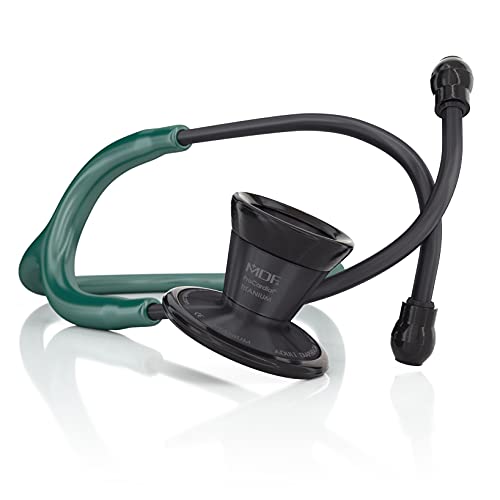
MDF publishes no acoustic performance tier at all. So a direct paper comparison between the titanium cardiology scope and the Littmann cardiology line is not possible in either direction. Anyone who presents one is offering an opinion.
Nobody on this site has auscultated a pediatric murmur with any of these. The scores above are our editorial read of published specifications, manufacturer positioning and aggregate owner feedback - how we pick states that plainly, and this page is not medical advice or a clinical recommendation. Instrument choice in a cardiology service is usually a conversation with your attending, not an article.
The practical case for matching your service
One under-discussed factor outranks several spec sheets. In cardiology specifically, being able to hand your stethoscope to a preceptor or colleague and have it feel familiar has real value - a second opinion on something you half-heard is faster when the other person knows the instrument. That argues for the Littmann in a Littmann service and against a patterned finish some units will not accept, regardless of what the titanium chestpiece is made of.
The counter-argument is warranty. MDF publishes a lifetime term across its stethoscope range, where Littmann runs five years on most listings and seven at one UK retailer. If your instrument is more likely to be damaged than outgrown, that is the stronger factor. Littmann vs MDF takes that comparison apart properly.
How these five were chosen
- Both properties scored, separately. Small-chest seal and subtle-sound capability are different scores above, so you can see which instrument gives you which rather than reading one blended number.
- Manufacturer language, not third-party tiers. Where 3M or MDF publishes something, it is quoted and sourced. Where they do not, the entry says so.
- Currently buyable. Our price feed doubles as an availability check and the table above reads it at request time, printing the date it was last checked.
- The budget pick is labeled honestly. It is a rotation instrument, not a pediatric cardiology one, and its entry says exactly that rather than stretching to justify the slot.
- No invented ratings, tests or awards. Nothing on this page claims a measurement we do not have.
Which instrument, by job
Pediatric cardiology, adults and children, murmur characterization: the Cardiology IV. One instrument, both properties.
Dedicated pediatric clinic, murmurs referred on: the pediatric Classic. You need the seal, and the tuning is a luxury.
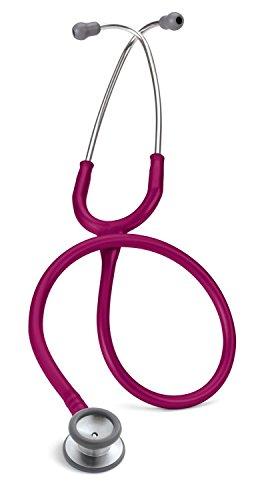
Neonatal work: the separate Classic II Infant model rather than any compromise on diameter.
A unit that damages equipment: the titanium cardiology scope, for the lifetime warranty - and check your dress code about finishes first.
A student rotation: the budget pick, then buy properly once you know this work is yours. Our students page and stethoscopes under $100 both cover that stage.
You have hearing loss: the amplified instrument, and read best stethoscope for hard of hearing plus electronic stethoscopes explained before spending that much.