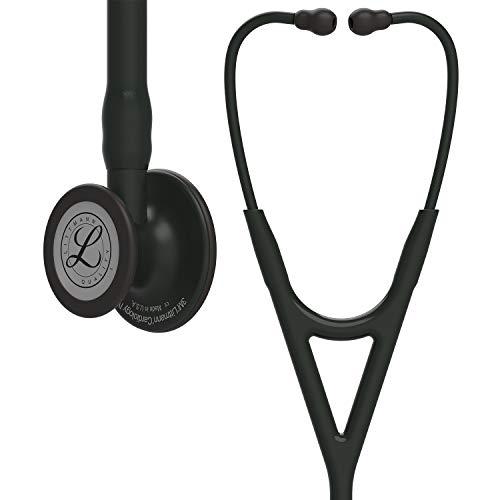
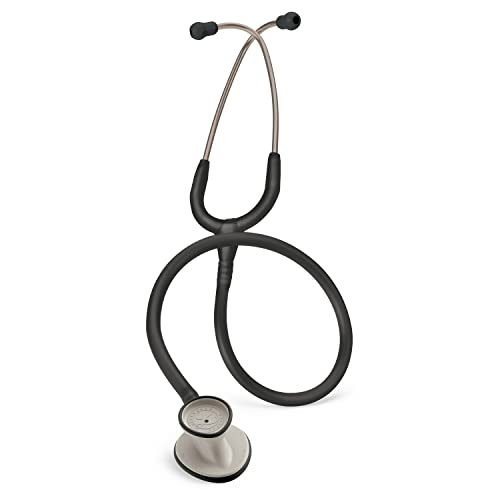
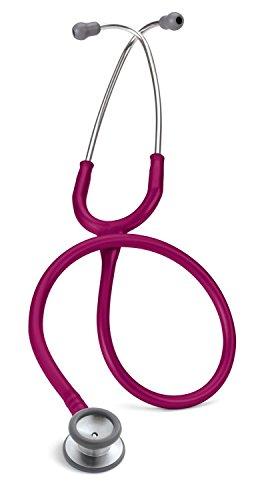
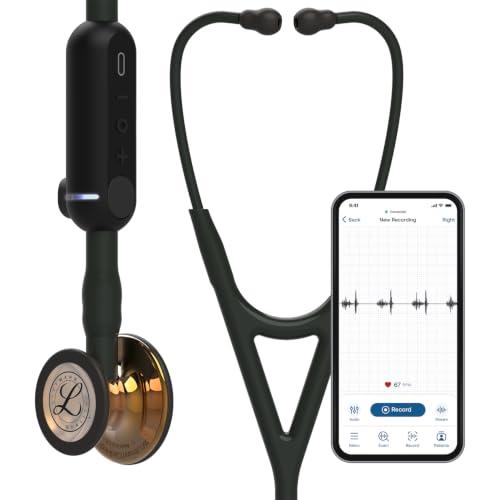
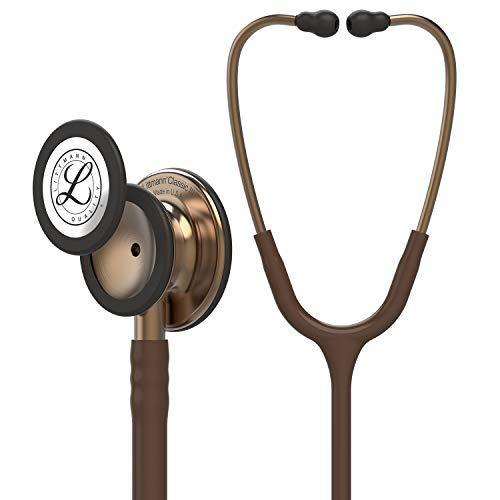
The answer up front. The Littmann Classic III is the right Littmann for most people reading this - the tunable diaphragm means one side of the chestpiece does both jobs, and 3M itself positions it for exactly the setting most nurses work in. It is for floor nursing, clinic work and anything that is not daily murmur hunting. The budget pick is the Lightweight II S.E., which is the cheapest way to own a real Littmann and the sensible choice for a student rotation or a unit where stethoscopes vanish. If you listen for subtle sounds every day, or you need one instrument for adults and children, go straight to the Cardiology IV.
3M tells you which setting each model is for. Read that first
This is the unusual thing about this brand and the reason this page can be written honestly. 3M does not just publish materials and tubing lengths - it publishes positioning, and the positioning is specific:
- The Classic III is described as having high acoustic sensitivity and being intended for non-critical-care settings. That is not a slight. It is a description of most nursing jobs.
- The Cardiology IV is stated to help isolate subtle sounds. That is a different claim about a different task.
- The Lightweight II is called entry-level with reliable acoustic performance in 3M’s own copy - which is a more honest sentence than most manufacturers write about their cheapest product.
- The CORE Digital is positioned as 3M’s most advanced instrument, with an amplification figure stated against its own analog mode.
So the decision is not “which is best” - it is which sentence describes your job. If you are doing routine lung, heart and bowel sounds on adults, the manufacturer is telling you that its mid-tier instrument is the one built for that, and spending double is buying capability you will not use.
What a tunable diaphragm actually changes
It is the one feature difference on this page worth understanding, because it separates the Classic III and Cardiology IV from the two cheaper models.
On a traditional dual-head scope you flip the chestpiece: diaphragm for high-frequency sounds, open bell for low ones. On a tunable head you do it with hand pressure - light contact for low frequencies, firmer for high - without taking the instrument off the chest. In practice that means fewer interruptions in an assessment and one less thing to get wrong while someone is talking to you.
Neither the Lightweight II nor the Classic II Pediatric has it. That is the most honest way to describe the gap between the cheap end of this range and the middle of it, and how to choose a stethoscope walks the rest of the specification decisions in the same order.
Where Littmann is genuinely beaten
Two things, and a page that would not say so is not worth reading.
Warranty
Littmann warranties run five years on most listings - with at least one UK retailer stating seven, so the figure is market- and SKU-dependent. MDF publishes a lifetime warranty across its stethoscope range, with the caveat that its Mprint finishes carry separate terms. On a unit that destroys equipment, that difference outweighs a lot of acoustic argument. Littmann vs MDF is that comparison in full, and Littmann alternatives is the page to read if you have already decided to look elsewhere.
Price at the bottom of the range
The cheapest real Littmann is still more than several complete MDF instruments that carry a lifetime warranty. If the realistic lifespan of your stethoscope is “until someone walks off with it”, that maths does not favor this brand - best cheap stethoscope is the page for that situation.
What Littmann gives you that nothing else does
Ubiquity, and it is worth more than it sounds. Parts and eartips are available everywhere, so a scope with a split eartip is a two-dollar fix rather than a replacement. Every colleague on your unit knows how the instrument behaves, so “can you listen to this?” is a question with a useful answer. And the tunable diaphragm is the dominant design in the hospital, so you are learning the thing you will keep using.
That is the real case for paying Littmann prices, and it is a practical case rather than an acoustic one. The parts you will eventually need are covered in stethoscope accessories, and the thing that shortens a Littmann’s life more than anything else is how it gets cleaned - how to clean a stethoscope covers why alcohol wipes stiffen tubing.
How this page was put together
- 3M’s own positioning, not third-party tiers. The acoustic “tier numbers” widely quoted for the cardiology line are not published by 3M for every model, and this page does not repeat them as though they were.
- Specifications from 3M where they exist. The Classic III’s 27.2 in tubing and latex-free statement come from 3M’s own spec sheet. Where 3M does not publish a figure - per-model tubing lengths across the range, an acoustic tier for the pediatric Classic - the entry says so instead of filling the gap.
- Currently buyable. Our price feed doubles as an availability check and the table above reads it at request time, printing the date it was last checked.
- One model per job. A floor instrument, a subtle-sound instrument, a pediatric second scope, the cheapest real Littmann and an amplified one. No two are the same instrument at a different price.
- No testing claimed. Nobody here has listened to a murmur through these - how we pick sets out what the scores are.
Which Littmann, by job
Med-surg, telemetry, clinic, home health: Classic III. 3M’s own positioning says so and it is correct.
Cardiology, ICU, anywhere you hunt murmurs daily: Cardiology IV - our cardiology page goes further into when that upgrade earns itself, and the ICU page covers the noise problem specifically.
Nursing school: the Lightweight II if loss is likely, the Classic III if you are buying once. Our students page takes that decision apart.
Pediatrics only: the Classic II Pediatric. Adults and children on the same shift: the Cardiology IV instead.
You have hearing loss: the CORE Digital, and only then - best stethoscope for hard of hearing and electronic stethoscopes explained are the two pages to read before spending that much.
For the same exercise on the other side of this decision, best MDF stethoscopes ranks that range against itself - and it has to do it without an acoustic hierarchy, because MDF publishes none. That gap is the clearest argument for the brand on this page.