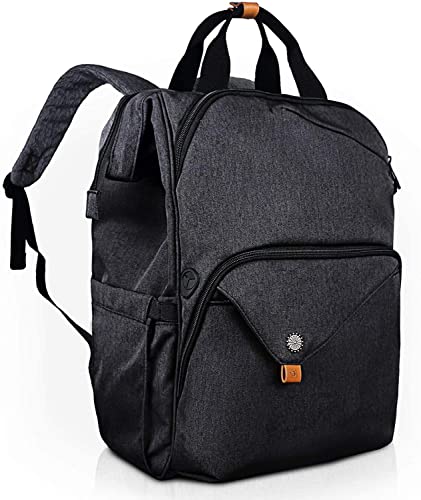
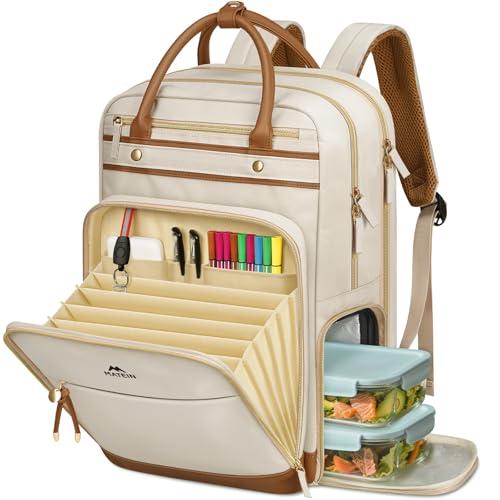
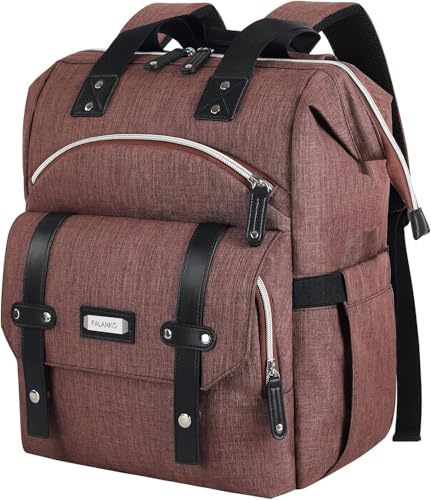
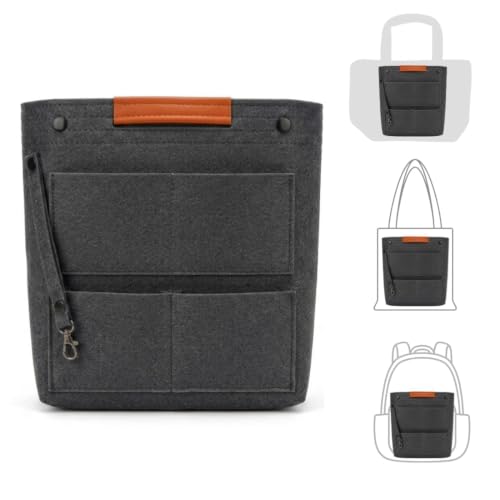
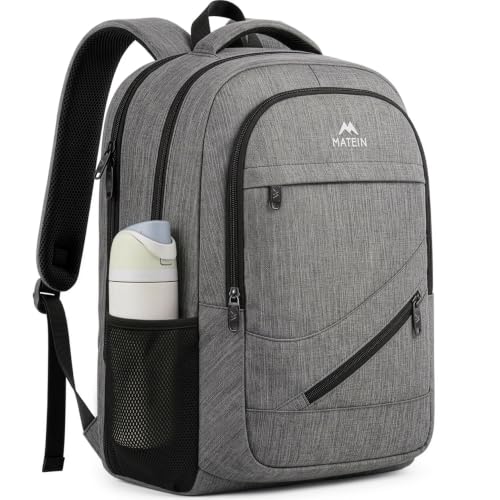
Something specific happens to this category below the fifty-dollar line: the brands stop existing. Above it you are choosing between companies with warranties, spec sheets and model numbers that persist from year to year. Below it you are choosing between listings - semi-branded bags whose capacity figures disagree with each other and whose sellers rotate. That does not make the bags bad. It makes brand a useless way to choose between them, and it means the only honest basis left is the handful of features a listing can actually prove.
What you can hold a sub-fifty bag to
Four things are verifiable from a listing, and they are the four this page ranks on:
- The access pattern. Back-panel zip, doctor-bag opening or a conventional top loader. This is a design fact, not a claim, and it is the single biggest difference between these bags in daily use.
- The stated laptop size. Sellers publish this because returns depend on it, so it is the one dimension in this tier you can usually trust.
- Whether a compartment detaches. Detachable insulated sections either exist or they do not. No interpretation required.
- Water resistance language. “Water resistant” and “waterproof” are different words, and in this bracket the listings are usually careful about which one they use.
What this tier will not give you
1. A manufacturer spec sheet
For four of the five picks below, there is no manufacturer page at all - the figures come from retailer listings or, in one case, from affiliate roundups that do not say where they got them. Our entries say which, every time. If a number on this site traces back to a roundup rather than a seller, the entry tells you so, because buying a bag on a number nobody will stand behind is how you end up with one that does not fit your laptop and your lunch.
2. A warranty
Not a short one - none. Treat a sub-fifty bag as a twelve-to-eighteen-month item carried five days a week, and the comparison with a structured branded bag becomes a real calculation rather than a snobbery argument. The main backpack roundup covers the bags above this line, where that warranty exists and the price reflects it.
3. Anything that wipes clean
Every pick here is polyester or felt. A polyester bag absorbs what gets spilled on it, and on a unit where that happens regularly, a wipeable structured bag is the correct purchase even though it costs more. How to clean a work bag is worth reading before you decide which side of that line you are on.
How these five were chosen
- It priced under the line on a live feed. Every pick returned a live Amazon price below the fifty-dollar mark when this site’s daily price refresh ran on the morning this page was published. The card reads that feed live rather than repeating a number typed into this article.
- It is buyable right now. The same feed is the availability check, and it cost this page a pick: a wide-opening nurse backpack that would otherwise have qualified returned no buyable offer at all on the day of writing, so it is not here. We would rather publish four backpacks and an insert than pad the list with something you cannot order.
- Its features are verifiable. Access pattern, stated laptop size, detachability, water-resistance language. Where a figure exists only on an affiliate roundup, the entry says so rather than presenting it as a specification.
- It does something the others do not. No two picks here are the same bag at a different price - they are a laptop carrier, a grab-everything opening, a one-bag lunch solution, a transit-security bag and a fix for the bag you already own.
- Honest cons on every pick. Including the budget pick, which is also the one ranked first.
Nobody here has carried any of these on a shift. How we pick sets out what the scores are: our reading of published listings and aggregate owner feedback, not a wear test.
Match the bag to your commute, not to your unit
This is the part most roundups get backwards. What happens to the bag between your car and your locker is about forty minutes a day; what happens to it on the unit is usually nothing, because it sits in the locker. So the commute decides.
Packed bus or train: the back-panel zip, every time. Nothing else in this bracket addresses the actual risk.
Car, door to door: skip the anti-theft features and buy capacity and access. The doctor-bag opening is the most pleasant bag here to live out of.
Walking or cycling in weather: read the water-resistance language carefully and assume the inside gets damp in sustained rain. A dry bag for your laptop costs very little on top.
Long shuttle or shared ride: one bag, which means the detachable insulated compartment. Nurse bags with a lunch compartment goes through that format in full, including the options above this line.
What to carry in it
A bag is a container for a decision you have not made yet. Most people in this bracket buy too much capacity and then fill it, which is how a 30 L backpack ends up weighing more than the twelve-hour shift justifies. Nurse bag essentials is the shortlist that actually earns its weight, and what to pack for a 12-hour shift is the version organized by shift rather than by object.
Three checks before you order
- Measure your laptop, not your laptop’s advertised size. A 15.6 in sleeve in this tier is a tight 15.6 in, and a thick machine with a protective case does not fit a bag built to the number.
- Read the specific listing, not the brand page. Capacity figures in this bracket vary between listings for bags sold under the same name. The listing you are buying from is the only one that counts.
- Check the returns window before you commit. With no warranty behind the bag, the return policy is the only protection you have, and the generic-seller end of this market is where short windows live.
If this bracket is not enough bag
The line is a budget rather than a verdict. If you need something that wipes clean, has a warranty and will still be the same model in two years, the work bag roundup ranks the whole field with no price filter, and backpacks with a laptop compartment is the page to read if the laptop is the reason you are buying at all. If gear costs generally are the pressure, nursing shoes under the hundred-dollar line and the cheapest scrubs worth owning apply the same method to the two things you replace most often.