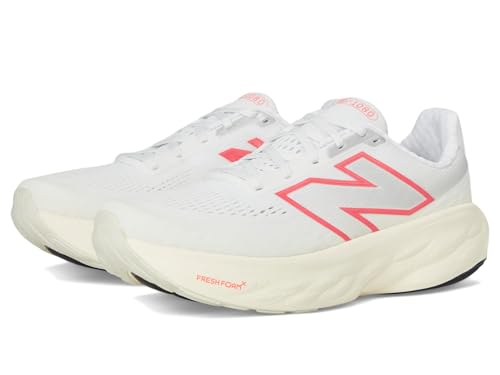
There is a particular disappointment in this category. You read a roundup, settle on a shoe, look at the price, and discover that the famous clogs and the famous maximal sneakers all sit comfortably above what you were willing to spend on footwear you will destroy in eighteen months. The useful fact about the hundred-dollar line is not that good shoes are impossible below it - it is that below it you can buy cushioning, or a rated slip-resistant outsole, or something you can hose down, but not all three. This page is organized around picking which one.
What this bracket actually contains
Sub-hundred nursing footwear is not one market. It is three, and they barely compete with each other:
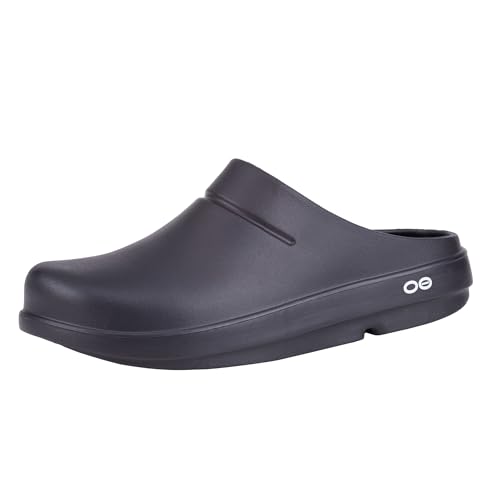
- Washable work clogs. Foam shells with enclosed toes and - crucially - named slip-resistance certifications. The cheapest tier on the page, the easiest to decontaminate, and the least supportive thing you can put under a collapsing arch.
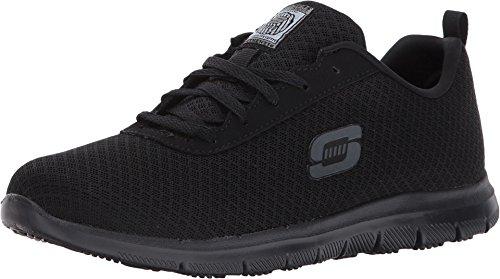
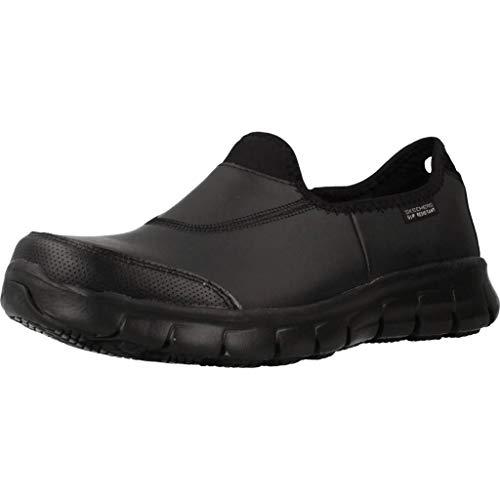
- Compliance sneakers. Work-rated lace-ups and slip-ons with published ASTM or EN figures, an upper that wipes down, and a memory-foam insole that stays pleasant for roughly a quarter of the shoe’s life.
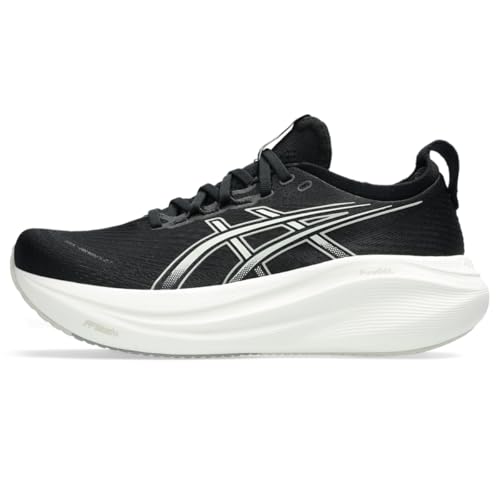
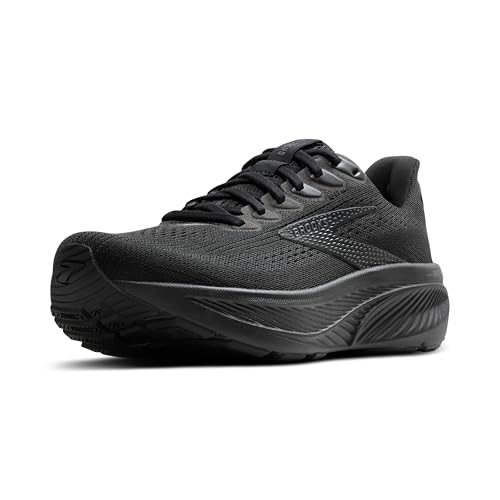
- Previous-generation cushioned trainers. The only way to get genuine running-shoe cushioning under this line is to buy a model that has just been superseded. The shoe is not worse than it was last season; the stock is simply finite.
Almost every mistake people make in this bracket is buying from one tier while needing another - a foam clog for a concrete-floor twelve, or a cushioned trainer for a unit whose policy names a test standard.
The three things nothing here will give you
Saying this plainly is more useful than pretending the line is invisible.
1. A rocker outsole
The curved polyurethane bottom that rolls you heel-to-toe and does part of the work of walking for you is a professional-clog feature, and professional clogs are above this line - every one of them. Nothing on this page has it. If you have worn a rocker clog and loved it, you are shopping for a different mechanism rather than a cheaper version of the same one, and the nursing clog roundup is where that argument lives.
2. A rigid shank
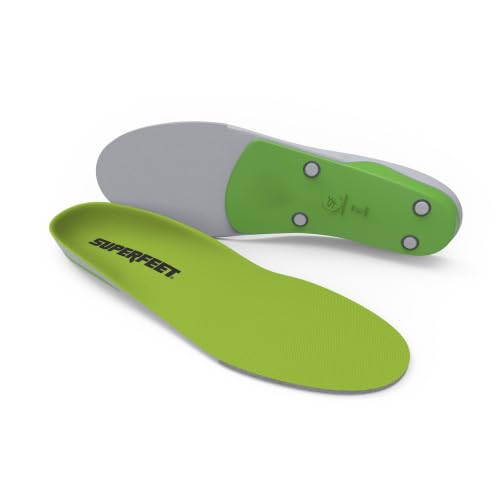
A shoe that flexes under your arch is a shoe your arch is holding up all shift. The clogs that do not fold cost more than this. The partial substitutes here are volume - a tall cushioned midsole - and structure you add yourself with a rigid insole, which is why one sits on this list.
3. Cushioning and compliance in the same shoe
You can have a rated outsole or you can have serious cushioning. The shoes that do both - leather work shoes on maximal midsoles - start well above this bracket. If your unit enforces a standard and your floors are concrete, the honest sub-hundred answer is a compliance sneaker plus a good insole, bought together and accepted as a two-part purchase.
How these nine were chosen
Criteria first, in this order, because “cheap and comfortable” is not a shortlist:
- It priced under the line on a live feed, not from memory. Every pick returned a live Amazon price below the hundred-dollar mark when this site’s daily price refresh ran on the morning this page was published. Prices move, so each number is read live on the card instead of being typed into the article - two of these sit within a few dollars of the line, and if one crosses it, the card will say so before we do.
- It is buyable right now. The same feed is the availability check: a product with no buyable offer gets no price. Two shoes that would otherwise have qualified for this page - the HOKA Bondi 9 and the Birkenstock Super-Birki - were left off for exactly that reason on the day of writing.
- Published specifications exist. Stack heights, drops, test standards and coefficients come from manufacturers, labs or retailer spec sheets. Where sources conflict - and in this bracket they conflict constantly - the entry records the conflict instead of picking the flattering number.
- Compliance is named, not implied. “Slip resistant” on a listing is marketing. ASTM F1677, ASTM F2913-24 or EN ISO 20347 SRC is a claim your employer can check, and only some of these shoes have one.
- Honest cons on every pick. Including the one ranked first, and including the budget pick.
Nobody here has worn any of these on a shift. This is a research site, we say so on every page, and the scores above are our reading of published specifications and aggregate owner feedback rather than a wear test.
Find your own sentence
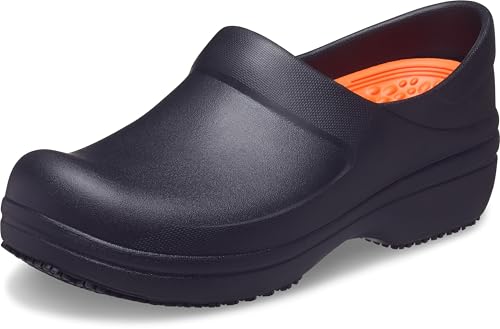
“My unit checks our shoes.” Skechers Ghenter-Bronaugh for a lace-up, Sure Track if you want leather and a removable insole, Crocs Neria Pro II LiteRide if you want the longest list of named standards for the least money. Take the standard your employer specifies to the SKU - not to the brand.
“Concrete floors, and my knees are the problem.” New Balance 1080v14 or ASICS Gel-Nimbus 27, and plan on a second pair so one is always dry. Shoes for nurses with bad knees goes deeper on why stack height does more here than any marketing feature.
“I wear a custom orthotic.” Skechers Sure Track or the Neria Pro II LiteRide - both footbeds come out. This single yes-or-no question eliminates most of this price bracket, so apply it first.
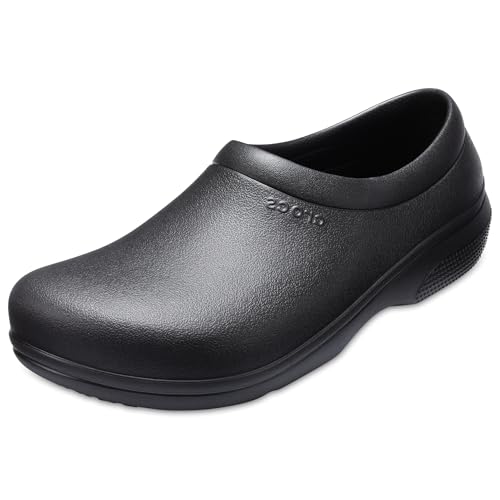
“Things get spilled on my feet.” Crocs On The Clock to hose it down and move on, or the Neria Pro II LiteRide if you also want the liner washable. The waterproof roundup covers the rest of that decision, including the leather options above this line.
“My feet are wide.” New Balance first, every time - the width range is the reason, not the foam. Then shoes for wide feet, which includes the options above this bracket if nothing here fits.
“I already own shoes I liked six months ago.” Start with the insole. It is the smallest amount of money on this page and the only intervention that improves a shoe you have already broken in.
The two-part purchase nobody budgets for
In this bracket, the insole is part of the shoe. Memory-foam footbeds in work sneakers are comfortable on day one and flat by month three, which is less a defect than the economics of the price point. Buy a compliance sneaker and nothing else and the shoe will feel like a mistake in week twelve, and you will blame the shoe. Buy the insole with it and that same sneaker becomes a genuinely supportive shoe for less than the famous clogs cost on their own. Our insole roundup covers what rigid actually means and why most aftermarket insoles do nothing.
Why the cheapest shoe is not always the cheapest decision
A foam work clog and a cushioned trainer are not the same purchase stretched over different amounts of money. Foam compresses on a schedule; leather and layered midsoles die more slowly. Two pairs of foam clogs a year can cost more than one cushioned trainer and still leave you standing on a flat footbed for the second half of each pair’s life. The wear signals that actually matter - not the tread, which is the one everybody looks at - are in how often to replace nursing shoes, and they are worth reading before you decide how often you want to be doing this.
Four checks before you order
- Your footwear policy, in writing. If it names a standard, match the exact SKU, because listings in this bracket cite different test versions for the same shoe.
- Whether the footbed comes out. A yes-or-no filter, and cheaper to apply before checkout than after.
- Width before length. Several of these run narrow at the big toe; the fix is a width rather than a half size up, and only one brand here really offers widths.
- The returns policy you have actually read. Previous-generation and clearance-priced stock is where restocking fees and short windows hide.
If nothing here fits
The line is a budget, not a verdict. If you have read this and concluded that you need a rocker outsole and a rigid shank, the main nursing shoe roundup ranks the whole field with no price filter, and Dansko alternatives works through the substitutes for the default clog by which part of it you are replacing. If the cost of gear generally is the problem rather than shoes specifically, cheap scrubs that are actually worth buying applies the same method to the other thing you replace twice a year, and budget nurse backpacks does it for the bag.