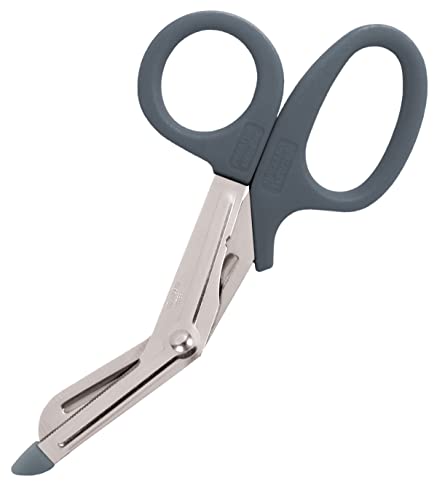
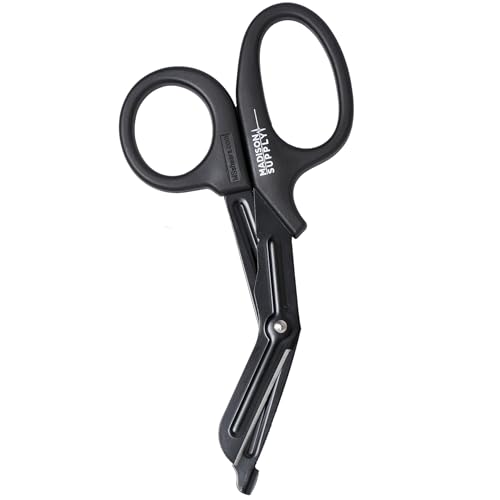
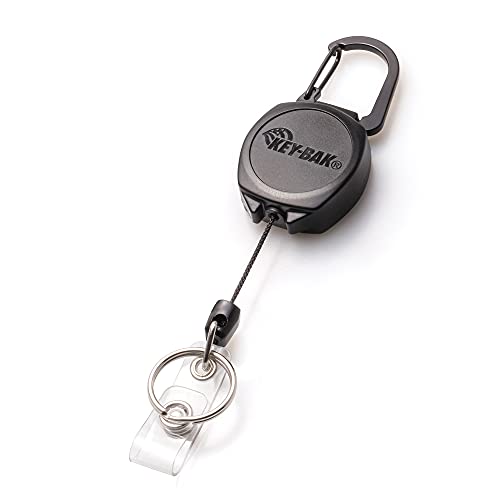
The verdict first. The heavy-duty Kevlar badge reel is the pick on this page - it is the only item under this line with real published figures behind it, an 80 lb aramid cord rated past a million pulls with a metal carabiner, and it replaces the thing you use more often than anything else you own. It is for anyone who has had a reel fray or a clip snap. The budget pick is the Madison Supply 7.5 in trauma shears, the cheapest thing here, bought specifically as a spare pair for your bag. Everything on this page returned a live price under the twenty-five-dollar line at our most recent check, and the table above reads that feed rather than a number typed into this article.
Under $25, the real question is not quality. It is replacement
Above a hundred dollars you are buying something to keep. Down here, almost nothing lasts forever and almost nothing needs to - so the useful way to sort this band is by whether an item is a consumable or a one-time purchase:
- Consumables by design. Pens, generic penlights, pocket pouches, the spare shears. Buy them cheap, buy them in multiples, and accept the attrition. A twelve-pack of pens is the correct quantity.
- Buy once, properly. The badge reel and the autoclavable scissor. Both have published specifications, both fail in ways you will notice, and both cost under the line anyway - so there is no reason to buy the undocumented version.
- Depends entirely on your unit. The aluminum penlight. If things walk off your floor, it is a consumable you overpaid for; if they do not, it is the purchase that stops you buying penlights.
That is why this page is not simply sorted by price. What nurses carry in their pockets is the inventory to run before you buy anything at all, because the commonest mistake in this band is buying a second version of something you already have.
Published specifications are rare down here, and that matters
Most of this category is sold by generic sellers with no manufacturer page, no spec sheet and no warranty, and listings that disappear and come back as something slightly different. That is not a reason to avoid the band - it is a reason to notice which items break the pattern.
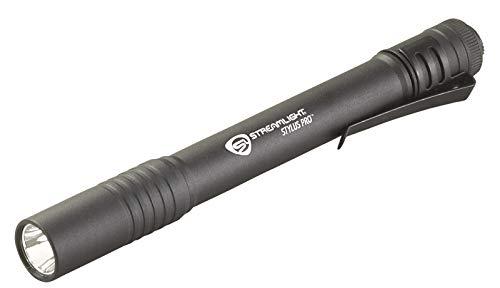
Three on this page do. The badge reel publishes a cord material, a breaking strength, a housing size, a retraction rating and a pull-cycle figure. The utility scissor publishes a steel grade and an autoclave temperature. The penlight publishes a drop-test standard. Two do not publish anything meaningful at all, and their entries say so rather than dressing roundup figures up as specifications.
One item here has a specification conflict we could not resolve: the penlight’s output is listed at 65 lumens by one retailer and 100 by another for the same model. We have left both figures on the page rather than choosing the flattering one, which is how our spec conflicts log handles this generally.
The printed-chart warning, in one place
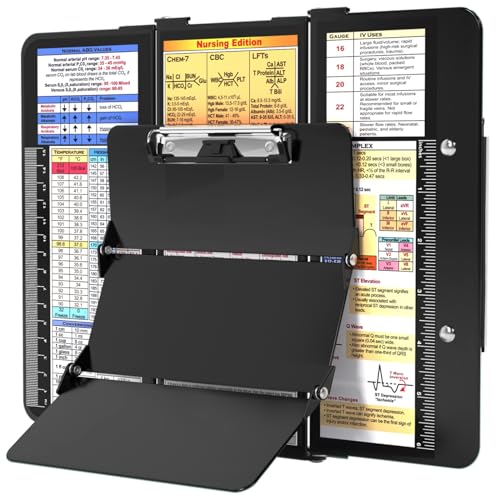
This needs saying on its own because it is a patient-safety point rather than a product one. Several items in this price band - clipboards, badge-reel cards, pocket cards - sell themselves on printed reference charts: dosage tables, conversion charts, lab values.
Nobody maintains those. They are not versioned, not dated, and not reviewed, and they are printed by sellers who are not clinical publishers. Treat every printed chart on a piece of pocket gear as decoration, and use your facility’s own references for anything that informs a dose or a decision. The physical object can be excellent and the printing on it can still be worthless.
What is worth more than $25
An honest under-$N page should say where the band runs out. Three things in this hub are worth spending above it:
- Trauma shears you rely on. The premium shear in this hub publishes a steel grade; the budget pick above does not. Our trauma shears page has that comparison, and trauma shears vs bandage scissors explains why most nurses actually need both tools rather than a better one.
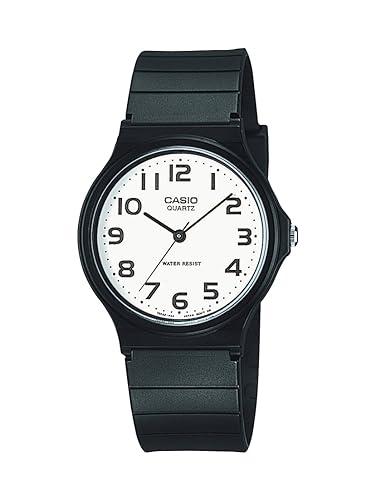
- A watch you can read at night. The sub-$25 option here has no illumination at all, and on nights that is disqualifying. Our watch page covers the illuminated and solar options, which are a genuinely different purchase.
- A stethoscope. Nothing in this band is one. Stethoscopes under $100 is the right band for that, and it is the one where a tunable-diaphragm Littmann becomes reachable.
How these six were chosen
- It priced under the line on a live feed. Twelve registry items qualified at the most recent refresh; these six are the ones with the clearest distinct job and the most headroom under the line.
- It is buyable right now. The same feed is the availability check - an item with no live offer gets no price and does not go on a page.
- Published specifications were scored, and their absence was scored too. Two picks here are explicitly marked down for having nothing behind them, and they are still on the page because the job they do is real.
- One item per job. A badge reel, a dressing scissor, a durable light, a day watch, a pocket board and a spare shear. No two are the same thing at a different price.
- No testing claimed and no awards. Nobody here has carried these on a shift - how we pick states exactly what the scores are.
A sensible first order under this line
If you are starting from nothing - a new grad, a new unit, or a bag that has been raided - the order that gets you working fastest is: the badge reel, because you will use it forty times a day; the dressing scissor, because it is the one thing here you can decontaminate; a pen multipack, because pens are the purest consumable in nursing; then the light and the watch according to your shift pattern.
That is four items and it will still sit under a hundred dollars. New grad nurse must-haves is the occasion-led version of the same list, and the nursing school supplies checklist is the one to work from if you are buying for clinicals rather than for a job. If gear costs generally are the pressure, the same method applied to the two things you replace most often is in scrubs under $30 and nursing shoes under $100.