Critical care does not need more gear than a medical-surgical floor. It needs gear chosen against a different set of criteria, because the moments that decide what works are the ones where the patient is unstable, your hands are occupied and you are not going back to your locker. Four criteria below do all the work on this list, and they are why it is not simply the new-grad list with a better stethoscope on top.
The four criteria, before any product
- Can you use it one-handed, without looking? In a code your other hand is on a patient, a bag or a pump. A tool that needs two hands or a glance down is a tool you will skip and then regret owning.
- Can it be wiped down? Everything on this list goes from an isolation room to a nurses station. Fabric that cannot be cleaned and surfaces with seams and crevices in them are disqualified on principle, not on preference.
- Is it safe around a confused or agitated patient? Anything worn round the neck that does not separate under load is a ligature risk. This single rule removes a product category that half the internet recommends, and it is covered below.
- Does it deserve money, or replacement? Two items here reward real spending. The rest are consumables, and buying a premium version of a consumable on a unit that loses equipment is the most common way to waste money in this category.
Everything that follows is scored against those four, and every pick below carries its real downsides - including the two that most roundups in this category quietly omit.
The two items worth real money
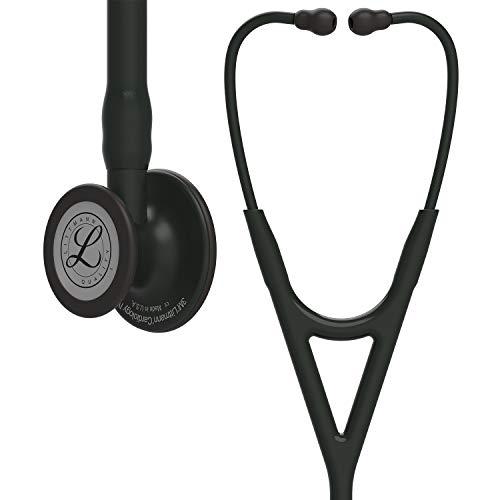
The stethoscope, and only in the right unit. 3M describes the Classic III as being for monitoring and assessing in non-critical settings, and the Cardiology IV as helping isolate subtle sounds. That is a manufacturer drawing the line itself. If your shift includes listening for a changing murmur, a rub or a new gallop, the upgrade is audible rather than cosmetic and it belongs in the budget. If your unit is a step-down where assessment is routine, read the Classic III review before you spend double - it is still the correct instrument for a great deal of critical-care work, and nobody should be upsold on their own ears.
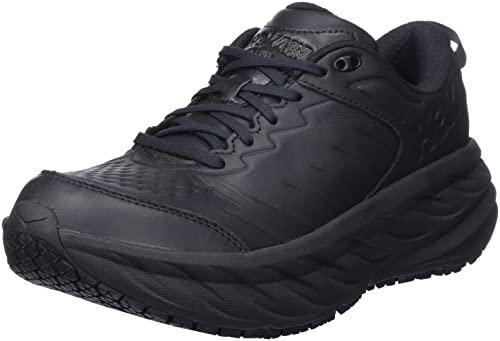
Footwear, because the floor is wet. In an ED, an ICU or a dialysis unit, fluid reaching the floor is routine rather than exceptional. A mesh running shoe is the wrong material: it absorbs what lands on it and takes a day to dry. If you want to understand what you give up by choosing leather, the Bondi against the Clifton lays out the cushioning-and-weight side of the same brand, and the ER shoe picks go deeper on unit policy.
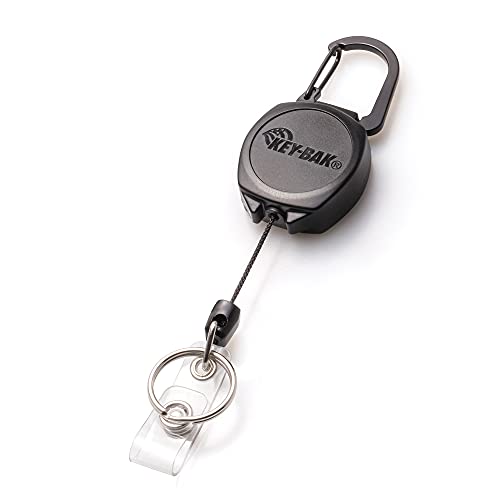
Everything else on this list is a consumable bought on specification. That is not a knock on it - a badge reel with a Kevlar cord is a better badge reel - it just means you should expect to replace it rather than keep it.
The thing we are leaving off on purpose
Most ICU and ER gear lists include a breakaway lanyard. This one does not, and the reason is the third criterion above.
A lanyard that separates under load is better than one that does not, but "better" is not the standard in a unit full of confused, sedated, delirious or agitated patients. A waist-clipped badge reel removes the hazard rather than mitigating it, it does not swing into a sterile field, and it survives the infection-control policies that ban neck-worn items outright. Our own lanyard entry says to skip it in exactly these three situations - so on the page written for those situations, the honest move is to recommend the reel instead. Badge reel against lanyard argues the general case; this is the specialty where it is not close.
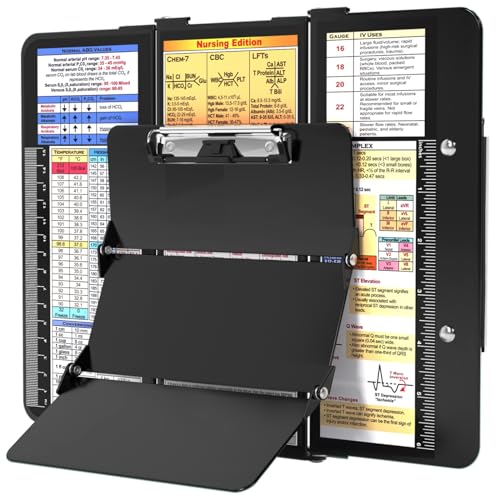
Two other common recommendations do not make this list either. A second cheap stethoscope "for isolation rooms" sounds thrifty and in practice means you carry the instrument you cannot hear through on the day you need to. And printed dosage charts on a clipboard or badge card are not a clinical reference, regardless of who sells them.
Neuro checks are the assessment that drives the kit
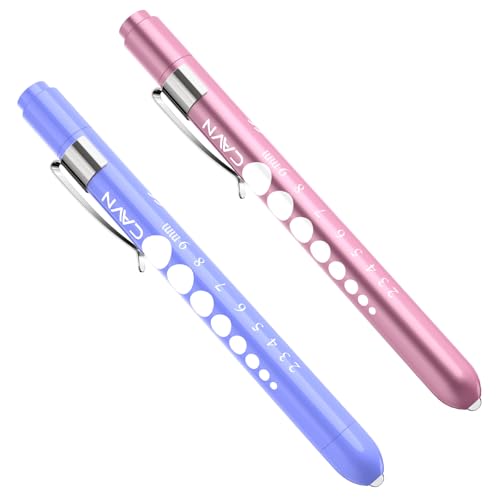
The one thing a critical-care pocket does that a floor pocket does not is hourly neuro assessment. That makes a penlight with a millimeter pupil gauge printed on the barrel the single most-used item on this list, and it is also the cheapest.
The gauge matters because pupil size is a trend, not an impression: 4 mm to 3 mm over three checks is information, and "slightly smaller than last time" is not. A light with the scale printed where your thumb already is gets compared against the patient rather than against memory.
Buy them in pairs. Penlights disappear at a rate nothing else in a scrub pocket matches, and a two-pack is the right economic response to that. If you would rather own one light that outlives the job, the Streamlight on the penlight roundup is machined aluminum and drop-tested above the six-foot industry standard - it simply has no gauge printed on it, which is a real trade rather than a technicality.
Shears: the one place the ER pick differs from the nursing pick
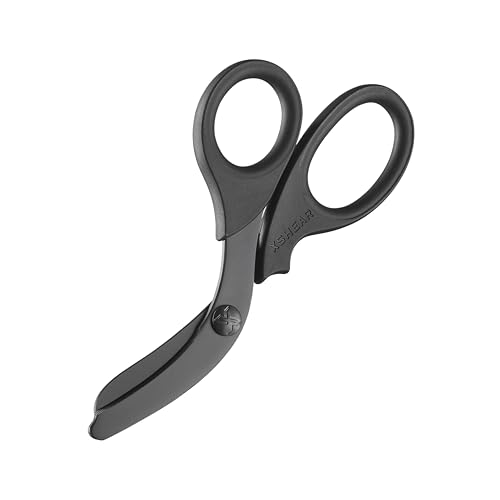
For most nursing work, Lister bandage scissors are the right tool - they cut tape, gauze and dressings, they are small, and they cost a third of trauma shears. On a page about unstable patients the calculation inverts, because the job is removing clothing from someone who is not going to help you do it.
That is a blade-thickness question. Thin shears bend around a seatbelt, a leather belt or a doubled waistband rather than cutting through, and you find out at the worst possible time. The pick above uses thicker-than-standard blades with a named steel grade, which most shears in its price band do not publish, and a blunt curved tip - the correct geometry for working against skin.
If you only ever cut tape and gauze, buy the bandage scissors instead and spend the difference somewhere on this list that will earn it. Trauma shears against bandage scissors is the full argument, and the trauma shear roundup has the alternatives if the pick above is out of stock.
Why a watch and not a phone
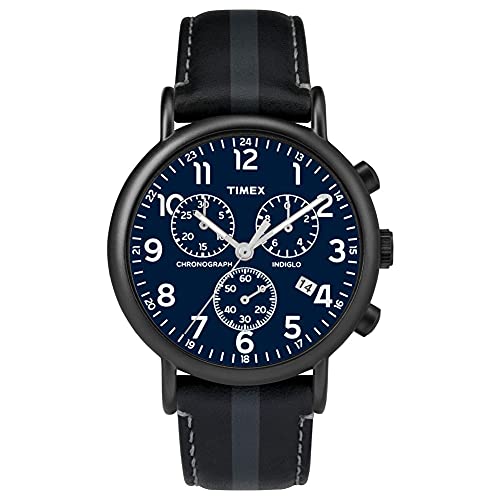
Your phone is in a pocket, is not wipeable, and takes two hands and your attention to use. A watch with a prominent second hand is the clinical standard for counting a rate, and a chronograph adds the other half of the job: timing an interval you started twenty minutes ago.
Two cautions. First, a bare-below-the-elbow policy beats any watch feature - if your unit bans wrist watches, a fob watch is the only answer, and the smartwatch question covers where the policies usually land. Second, the stock fabric strap on almost every affordable watch cannot be cleaned. Replace it with silicone the day it arrives; a fabric strap worn through a twelve-hour critical-care shift is the dirtiest item in this entire list.
Legs, and the part that is not gear
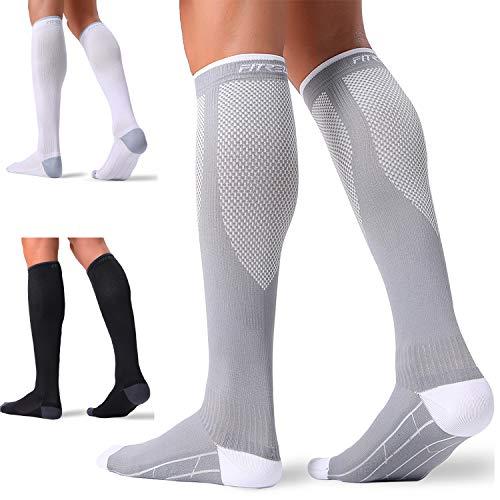
Critical care is the specialty where you most reliably do not sit down, which is why compression appears on a pocket-gear list at all. The 20-30 mmHg bracket is the one associated with established swelling rather than general prevention, and it has to be rotated - compression degrades with washing in every brand, which is why a multipack is the honest purchase rather than an upsell.
Measure your calf before you buy five pairs of anything. If it is over 17 in, go to a wide-calf option at the same pressure rather than sizing up, and if you are managing diagnosed venous disease, that is a clinical sizing conversation rather than a shopping one - compression levels explained covers the brackets, and nothing on this page is medical advice.
What a complete critical-care kit costs, in shape rather than dollars
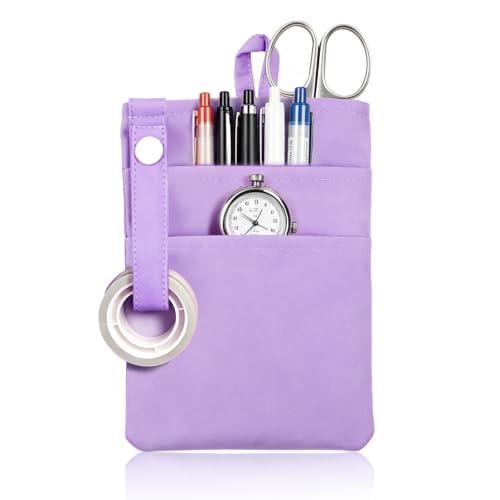
Two items carry most of the spend: the stethoscope, if your unit justifies the upgrade, and the shoes, which are a twice-a-year purchase rather than a kit item. Everything else on this list - the penlight pair, the badge reel, the organizer, the clipboard, the shears - sits in the range where losing one is an annoyance rather than a problem, and that is deliberate.
No price is ever typed into this page. Every number you see sits inside a buy button, comes from Amazon’s own API with the date it was checked, and expires on its own if that check stops - because a number typed in October is wrong by December. The relationships are stable whatever the day’s prices are: the stethoscope is the expensive decision, the shoes are the recurring one, and the pocket items together cost less than either.
If you are new to the unit rather than new to nursing
A transfer into critical care is not the same as a first job, and the gear gap is usually narrower than people expect - you likely already own seven of these nine items in some form. The two to buy first are the pupil-gauge penlight, because the assessment cadence changes immediately, and the shears, because the day you need them is not a day you can plan for.
If you are genuinely starting out, start with the new-grad list instead - it is built on replaceability rather than precision, which is the right priority for a first year. And if your shifts are overnight, the night shift list solves a different problem again: reading things in the dark without waking anybody up.