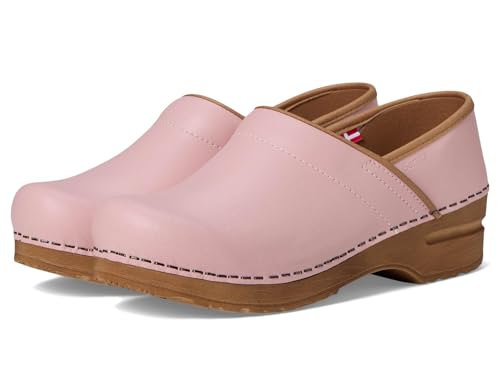
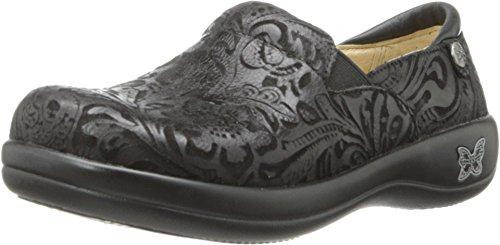
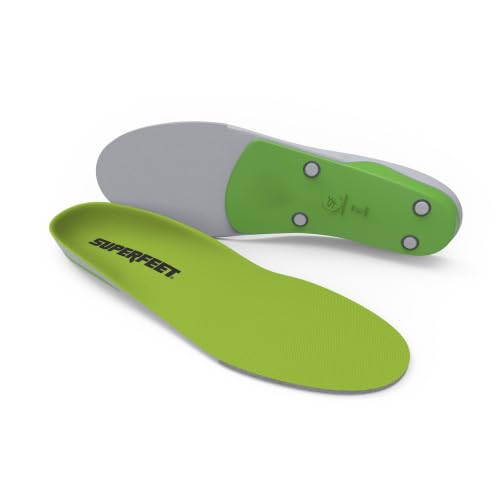
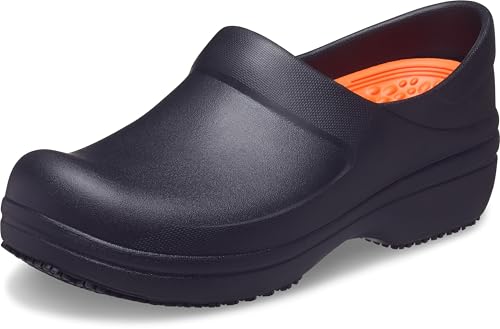
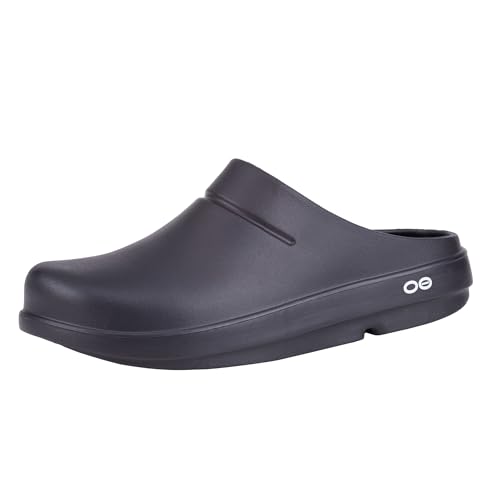
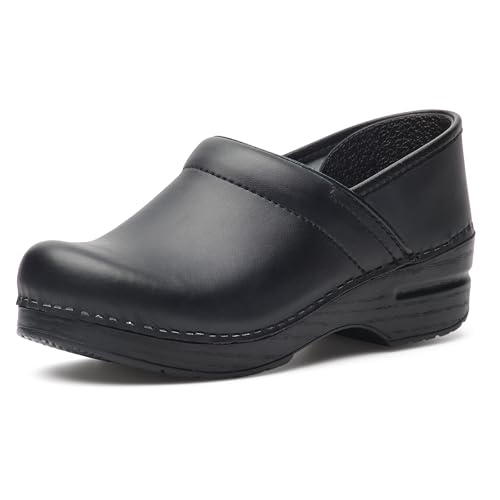
The short version. The Dansko Professional is the pick, and it wins on geometry rather than padding: a 2 in heel on a 0.8 in platform with a rigid PU rocker bottom, which rolls you through the exact phase of the step that loads the plantar fascia. It is for the nurse who walks a floor all shift and does not need to sprint on it. The budget pick is the Crocs Neria Pro II LiteRide work clog - but only bought together with a rigid insole, because its own footbed liner is the thing you take out. If you wear a prescribed orthotic, skip to the Alegria Keli.
Why softness is the wrong instinct
Plantar fasciitis is a loading problem at the bottom of the arch. The fascia is a band under tension, and it hurts when it is repeatedly stretched - most of all at push-off, when the forefoot bends and the arch lengthens under your body weight. Standing on something soft does not reduce that stretch. It can increase it, because a soft bed lets the arch drop further before anything stops it.
That is why this list is ordered the way it is, and why the two softest clogs in the registry sit at the bottom rather than the top. The two features that help are:
- A rigid rocker sole, which does the bending so your forefoot does not.
- A footbed that comes out, so a structured arch can go in. A deep heel cup and a stabilizer cap stop the heel rolling, which is the other half of the load.
This page is not medical advice and nobody here has treated your foot - plantar fasciitis that is not improving is a podiatry appointment, not a shoe purchase. How to stop foot pain from standing all day covers the non-shoe half, which for most people matters more than which clog they buy.
How this differs from our main plantar fasciitis page
We already have a plantar fasciitis roundup and it crowns a different shoe, on purpose. That page looks at the whole field - stability sneakers, insoles, clogs - and the honest answer across the whole field is often a firm sneaker plus a rigid insole. This page answers a narrower question that a lot of people actually have: my unit wears clogs, which clog? Three of the six picks here do not appear on that page at all.
If you are not committed to a clog, read the wider page first. If you are - dress code, habit, or because you already know you hate laces - carry on.
The heel-retention problem, stated once
Every open-back clog on this page shares one flaw: nothing holds your heel. That has two consequences for a painful foot. Your toes grip to keep the shoe on, which fatigues the intrinsic muscles you want working on your arch instead; and the shoe is genuinely unsafe at speed.
If you run on your unit, this format is wrong for you regardless of the footbed inside it. The Alegria Keli is the closed-back answer on this page, and the ER roundup is built entirely around the sprint case. Clogs vs sneakers for nurses is the full argument if you have not settled it yet.
Morning pain is the signal to watch
The classic plantar fasciitis pattern is worst pain in the first steps out of bed, easing as the foot warms up, then returning late in a long shift. That pattern is the thing to judge a clog by after two weeks - not how it felt in the store.
A rocker clog that is working usually shows up as a smaller spike at hour ten rather than as all-day comfort. If instead you get new pain on the top of the arch, the arch support under you is too high for your foot - which is exactly the failure mode the rigid insole above warns about, and the reason its registry entry says to skip it if your arch is genuinely low.
How these were chosen
- Geometry over cushioning. Rocker sole and torsional rigidity scored first, which is why the softest clogs are at the bottom of a comfort-clog list.
- Does the footbed come out? Scored explicitly, because for anyone with an orthotic it is the only question that matters.
- Currently buyable. Our price feed is also the availability check, and every pick returned a live offer at the most recent refresh. The table reads that feed at request time and prints the date.
- The recovery clog is labeled as a recovery clog. It is not ranked as a working shoe, because it is not rated for slip resistance and should not be sold to you as one.
- No testing claimed. Scores are our editorial read of published specs and aggregate owner feedback - how we pick sets out exactly what that means.
Which one, by situation
You walk a floor, no orthotic, no slip-resistance policy: Dansko Professional. The rocker is the single most useful feature on this page.
You walk a floor and your unit requires slip resistance: the Sanita, or the XP 2.0 from our non-slip page, which states slip resistance for its model and has a removable footbed.
You wear a prescribed orthotic: Alegria Keli, and accept the loss of the rocker.
Your budget is tight: the foam work clog plus the rigid insole, bought together, as one purchase. Not the clog on its own.
Your clogs are fine and your arch is not: just the insole. Our insoles page has the wider comparison.
The pain is in your knees or back as well: the shoe is one input among several - bad knees and nurses and back pain take that on directly.