Skip to content
Shift & Sole

Single-model review · Shoes & Clogs

OOFOS for nurses review

A research synthesis of published specifications, not a wear test. Nobody here has worn these, and this page says so rather than implying otherwise.

By Selena H.
A thick-soled recovery foam clog

The short version: the OOFOS OOcloog is worth its $79.95 as the shoe you change into after a shift, and it is not a shoe to work twelve hours in. It is closed-cell OOfoam, machine washable, air dry only, and carries an APMA Seal of Acceptance - but OOFOS publishes no slip-resistance rating for it, which rules it out on most units before comfort is even discussed.

What we can and cannot tell you

This is a research synthesis built on the manufacturer’s published specifications and the pattern of owner reports, not a wear test. Nobody at Shift & Sole has worn this clog, and we would rather say that than describe a feeling we have not had. What that leaves us able to check is the spec sheet - and in this product’s case the spec sheet has one genuinely important discrepancy in it, which is the main reason this page exists.

The 37% figure is not this shoe

Search for OOFOS and you will quickly find a claim that the foam absorbs 37% more impact than traditional footwear foam. That figure belongs to the Cloog PLUS, not to the OOcloog reviewed here. OOFOS publishes no impact-absorption percentage for this model at all. It is a small thing and a telling one: an affiliate page that quotes the 37% figure against the cheaper clog has either not read the product pages or does not care which model it is selling you. If the absorption number is what is making the decision for you, buy the model the number was published for.

What the published specification actually supports

  • Closed-cell foam. This is the quietly useful property in a hospital context: a closed cell structure does not wick up whatever it steps in, which is why the clog can be machine washed rather than wiped and hoped for.
  • Machine washable, air dry only. Washable is rare in footwear and genuinely good. Air drying means a full day out of action, so this is not a one-pair solution.
  • APMA Seal of Acceptance. A podiatric review for general foot health, not a performance claim and not a clinical endorsement for any condition.
  • No slip-resistance rating. Not a low rating - no rating. There is nothing to put in front of a manager who asks.

Why it fails as a shift shoe

Three reasons, in order of how much they matter. First the outsole: soft foam with no rated traction figure is the material least likely to hold on a wet floor, and a hospital floor is wet several times a day. Second, support: the clog is deliberately soft and unstructured, which is the opposite of what a foot that will be loaded for twelve hours needs - and in the one randomized trial we have found on shoe type, documented in our bad knees roundup, flat flexible shoes did not beat stable supportive ones. Third, the open format: it is a clog you step into, so it offers no heel retention for anything faster than walking.

Where it earns its money

Recovery footwear is a real category with a narrow, honest job: the hour or three after you stop standing. For nurses that window is when foot pain is loudest, and a soft, deeply cushioned, washable clog is a better answer than slippers or bare feet on a kitchen floor. It is also the second pair that packs smallest, which is why it appears in our travel nurse picks as the suitcase pair rather than the work pair.

Who should skip it

If your unit requires slip-resistant footwear, this purchase is already decided - skip it and read the rated work shoe roundup instead. If you own exactly one pair of shoes and are hoping this is it, skip it. And if you are buying it to treat something - plantar fascia pain, swelling, a sore knee - understand that you are buying comfort rather than treatment: the plantar fasciitis roundup and our compression socks picks are the pages pointed at those problems, and persistent pain is a clinician’s question rather than a shopping one.

What would change this assessment

A published slip-resistance figure for the OOcloog would move it from recovery into the work conversation immediately, because the cushioning and the washability are already there. So would a model-specific impact figure. Until OOFOS publishes either, this page stands: excellent at one job, unrated for the other.
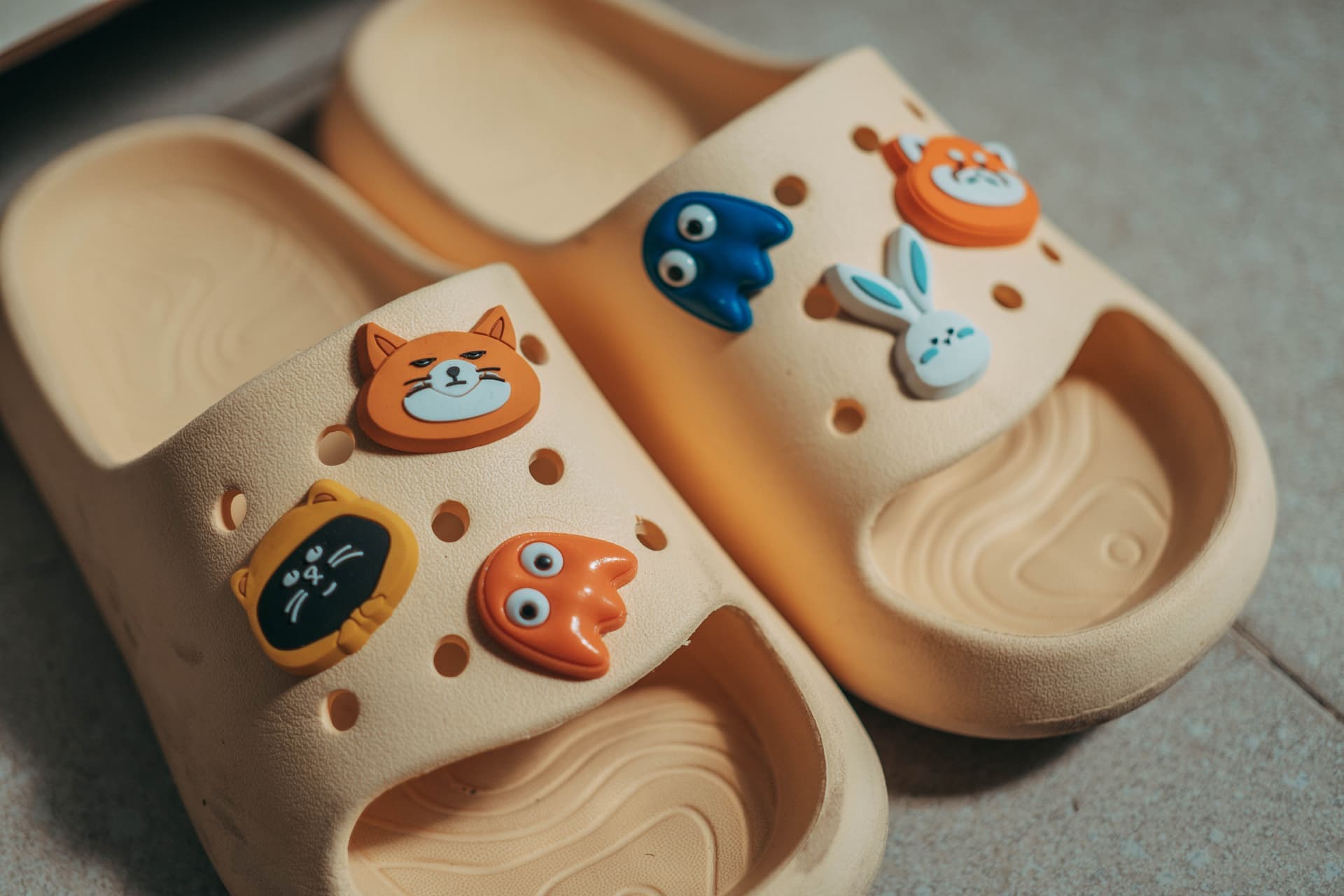
The product

The clog to change into, not the one to work in

01

The clog to change into, not the one to work in

OOFOS OOcloog

$79.95 of closed-cell OOfoam with an APMA Seal, machine washable, and no slip-resistance rating anywhere.

A thick-soled recovery foam clog

Recovery foam clog

Retail
$79.95
Midsole
Impact-absorbing OOfoam
Care
Closed cell, machine washable, air dry only
APMA
Seal of Acceptance
Impact figure
No published figure for this model - the 37% claim belongs to the Cloog PLUS

Specs: OOFOS - Women's OOcloog product page

The published case is straightforward: an impact-absorbing OOfoam midsole, a closed-cell structure that does not soak up fluid, machine washable with air drying only, an APMA Seal of Acceptance, and a $79.95 list price. The published case against it as a work shoe is just as clear - OOFOS does not rate the OOcloog for slip resistance, and a soft foam outsole on a mopped corridor is the specific combination that puts people on the floor. Treat it as the best thing on this site to put on at the end of a shift.

Recovery comfort9.6
Cleanability9.4
Weight9.0
Published specifications5.0
Shift suitability3.0
Overall7.2 / 10

What it gets right

  • The softest thing you can legitimately wear on a hard floor, and it genuinely takes load off the knees
  • APMA Seal of Acceptance, and the raised rim plus cupped heel give it more hold than a flat foam clog
  • Machine washable, which no leather clog can claim
  • The shoe most often described as the one you change into after a shift, not during

What it gets wrong

  • OOFOS publishes no impact-absorption figure for the OOcloog specifically - the widely quoted 37% belongs to a different model
  • The product page makes no arch-support claim at all; arch support comes up only in customer reviews, and those reviews disagree with each other
  • No slip-resistance rating, so many units will not allow it
  • Air dry only - there is no fast turnaround if you soak it

Who should skip itYour unit requires slip-resistant footwear. OOFOS does not rate the OOcloog for slip resistance and a soft foam outsole is exactly what a wet floor punishes.

Check price on Amazon

#ad How we earn - we never print a price we cannot verify

FAQ

Questions people actually ask

Are OOFOS good for nurses?

As recovery footwear, yes - soft, light, washable and APMA-recognized. As the shoe you work a twelve-hour shift in, no: there is no published slip-resistance rating for the OOcloog and the construction is deliberately unsupportive. The nurses who are happiest with OOFOS own a work shoe as well.

Can nurses wear OOFOS at work?

Some units allow it and many do not, because a lot of footwear policies require a rated slip-resistant sole and OOFOS does not publish one for this model. Even where the policy is silent, a soft foam outsole is the wrong material for a floor that gets mopped mid-shift.

Does the OOcloog absorb 37% more impact?

That figure is published for the Cloog PLUS, not the OOcloog. OOFOS does not publish an impact-absorption percentage for the OOcloog at all, so any page quoting 37% for this model is citing a different product’s number.

How do you wash OOFOS clogs?

OOFOS lists them as machine washable and air dry only - no dryer, no direct heat. The practical consequence is a full day without them, which is an argument for owning a second pair of something if these are your post-shift shoes.

OOFOS or Dansko?

Different jobs: Dansko for the shift, OOFOS for afterward. If you can only buy one, buy the work shoe - our Dansko against OOFOS comparison lays out the published figures side by side.

How this page was put together

We start from the problem the gear has to solve over twelve hours, shortlist products that are currently sold, compare the manufacturers’ published specifications against what that problem actually needs, and read owner feedback at volume to find the failure modes worth reporting. We have not worn, used or physically tested any of this. Where a figure comes from a manufacturer we name them; where published figures disagree with each other we say so rather than picking the flattering one; where nobody publishes a figure we say that too. We print no prices, because a stale number is worse than none. Read the full method.