Skip to content
Shift & Sole

Guide · Shoes & Clogs

Types of nursing shoes

The word covers five different products with different ratings and opposite strengths. Pick the format first - the model question is easier afterward.

By Selena H.
Several styles of work shoe lined up for comparison

The shortlist

Quick picks

Tap any row to jump to that pick’s full write-up. The price column goes straight to Amazon.

Ranked comparison of our picks, with what each one is best for and our overall score
#ProductBest forScorePrice
1
A black leather professional clog with a rocker sole

Dansko Professional Clog

Stiff shank, PU rocker, wipeable leather - the format built for standing in one place.

The rigid leather clog8.4/ 10
2
A black slip-resistant lace-up work sneaker

Skechers Work Ghenter-Bronaugh

ASTM F1677 tested and EH rated - the format that answers a written dress code.

The slip-resistant work sneaker7.9/ 10
3
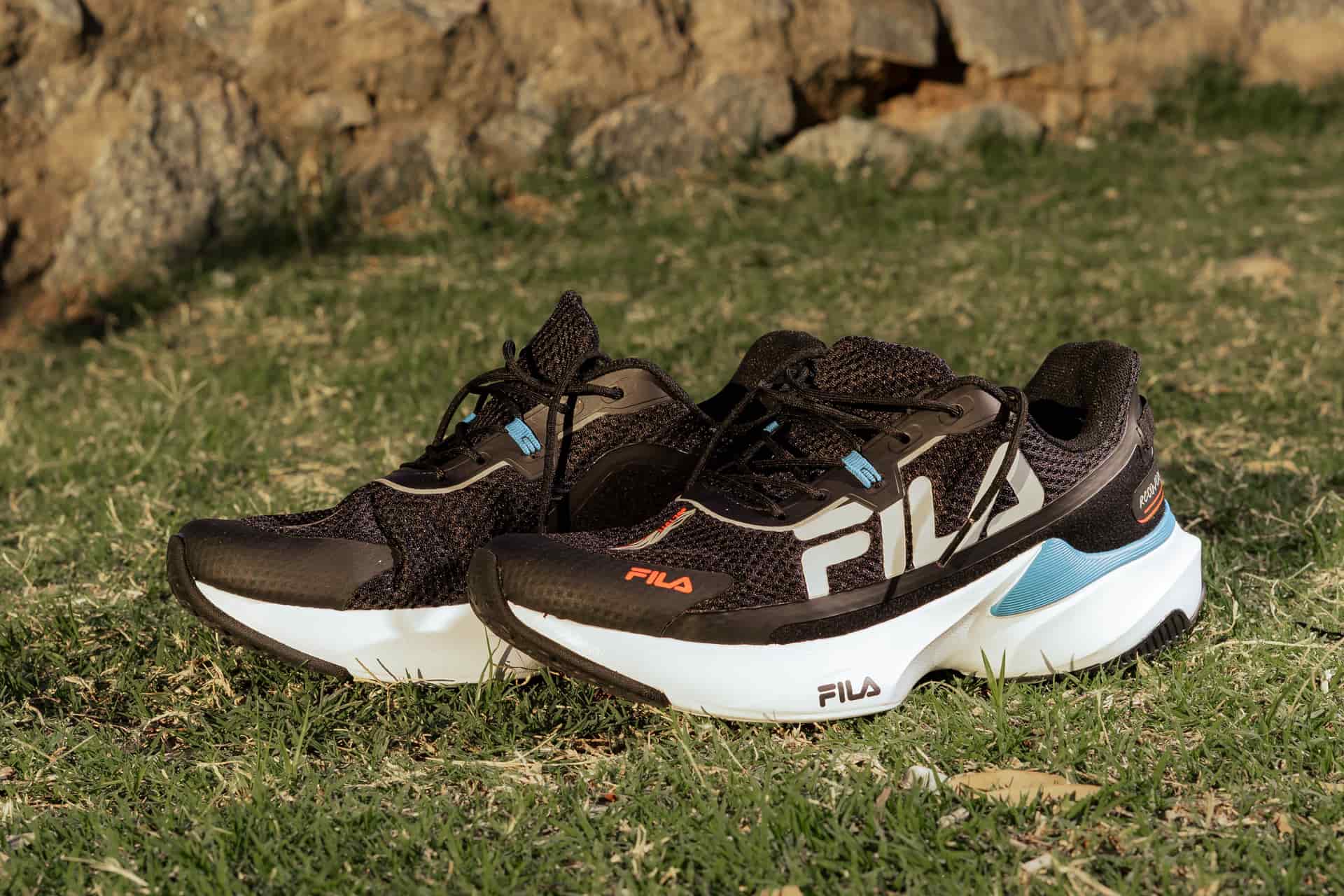
A thick-soled cushioned running shoe in a neutral colorway

HOKA Bondi 9

43 mm of listed stack and three widths - maximum cushioning, zero ratings.

The running shoe doing a work job8.6/ 10
4
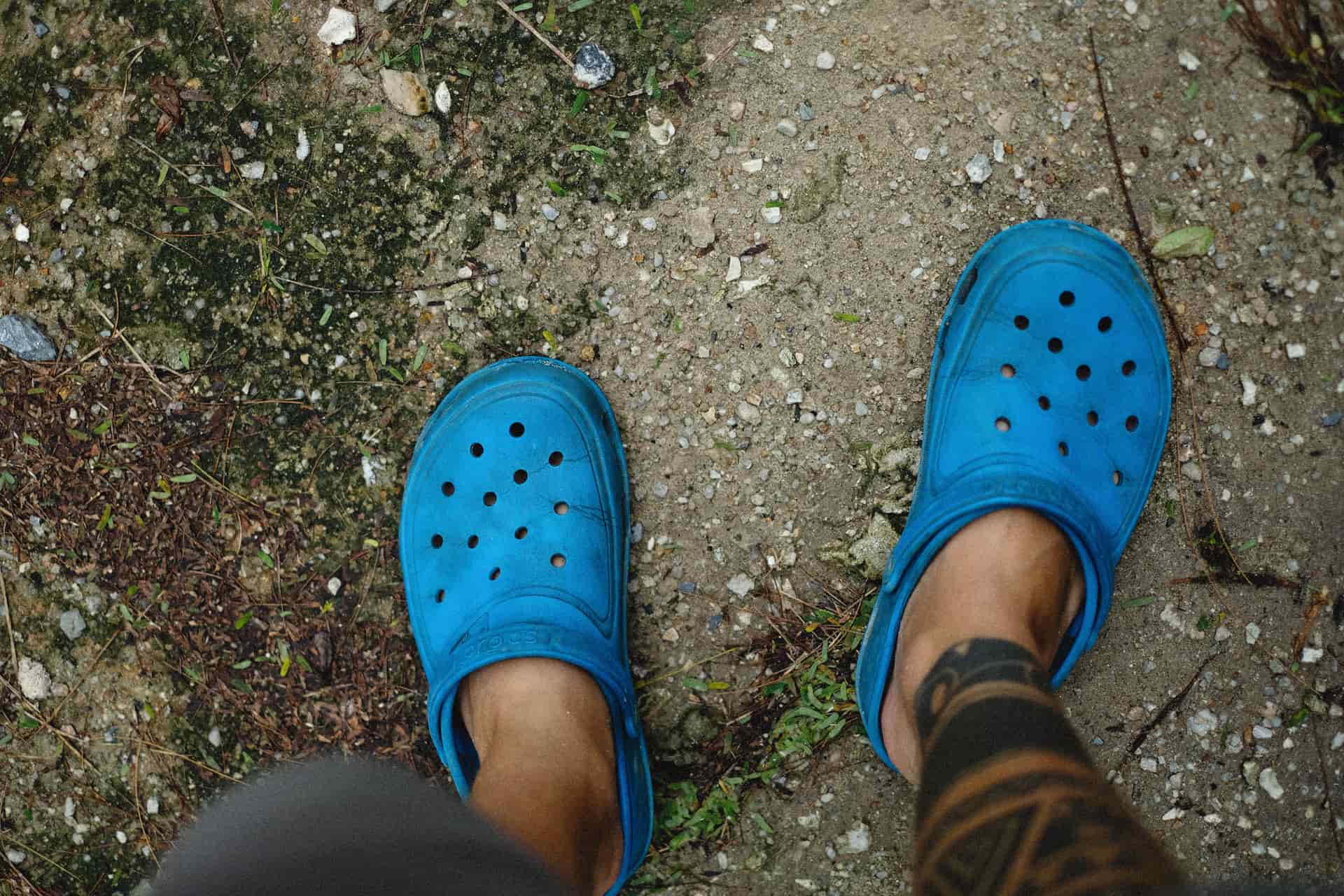
An enclosed-toe foam work clog in black

Crocs On The Clock Work Slip-On

Waterproof Croslite with a Crocs Lock tread - the format you rinse rather than clean.

The enclosed foam clog7.6/ 10
5
A thick-soled recovery foam clog

OOFOS OOcloog

Not a work shoe at all - the format for the hour after the shift.

The recovery clog7.2/ 10

Scores are our own editorial assessment of how well each product suits the job on this page. They are not a product rating from reviews and not the result of testing - we have not worn or used these. We print no prices: every button goes to the current one on Amazon, last checked October 13, 2026. #ad

There are five formats sold as nursing shoes, and they are not variations on a theme: a rigid leather clog, an enclosed foam clog, a slip-resistant work sneaker, a cushioned running shoe, and a recovery clog that is not a work shoe at all. Two questions put you in the right one - how fast do you move, and how often does something land on your feet. Everything after that is model shopping.

The five formats, in one table

What each format is built for and rated for
FormatBuilt forTypical ratingFails at
Rigid leather clogLong static standing, brisk walkingAPMA on the main models; slip resistance varies by modelRunning, stairs, weight
Enclosed foam clogFluid exposure, fast cleaningASTM F2913 / EN ISO 20347 OB cited on listingsArch support, long walking distances
Slip-resistant work sneakerDress codes that name a standardASTM F1677 or EN ISO 20347 SRCCushioning on concrete
Cushioned running shoeHigh step counts, wide feetNone - not a work shoeFluid, slip resistance, decontamination
Recovery clogThe hours after a shiftAPMA on some models; no slip ratingWorking in it

Question one: how fast do you move?

If you walk, a clog is viable and often ideal. If you run - codes, rapid responses, a pediatric unit where a toddler is heading for a stairwell - you need heel retention, and every open-back format is out regardless of how comfortable it is. This is the single most reliable filter in the category, and it is the whole subject of our clogs against sneakers comparison.

Question two: what lands on your feet?

Blood, emesis, irrigation fluid, coffee. If any of those are routine, the upper material decides everything: molded foam and leather wipe or wash, knit mesh absorbs and holds. That is why ER and OR nurses converge on enclosed foam clogs and rated leather work shoes while a clinic nurse can wear a running shoe happily for years. Our waterproof roundup is the version of this page for people who answered yes.

Where the formats quietly overlap

Two hybrids are worth knowing about. Slip-resistant versions of running-shoe platforms exist - a maximal cushioned midsole under a leather upper with a rated outsole - and they are the single best answer when a unit demands a rating and the floor is concrete; they are also the heaviest shoes in the category. And foam clogs with removable cushioned insoles sit between the foam-clog and work-sneaker formats, buying back some of the support that one-piece foam gives away. Neither hybrid changes the two questions above; they just mean you do not always have to choose as sharply as the table suggests.

What format does not fix

Width is a fit problem, not a format problem: a narrow clog and a narrow sneaker will both hurt a wide foot, and the fix is a shoe sold in widths rather than a different category. Arch support is mostly a footbed question, and a flat footbed in any format can be improved with a rigid insole. And a two-year-old shoe in a perfect format is still a dead shoe - the wide feet roundup and our insoles roundup cover those two independently of which format you land on.

How to use the formats in practice

  • Pick the format from your unit, not from a review. The shoe that a med-surg nurse loves is the shoe an OR nurse cannot wear.
  • Own two formats, not two models of one. A rated work shoe plus a recovery clog covers more of your day than two running shoes.
  • Check the rating on the exact listing. Within a format, certification varies by model and even by listing version.
  • Match break-in to your schedule. Rigid formats want a few shifts; cork footbeds want weeks. Foam and running formats want nothing.

The picks in full

Every pick, in order

01

The rigid leather clog

Dansko Professional Clog

Stiff shank, PU rocker, wipeable leather - the format built for standing in one place.

A black leather professional clog with a rocker sole

Leather nursing clog

Heel height
2 in, on a 0.8 in platform
Outsole
PU rocker bottom
Footbed
Single-density open-cell PU foam
APMA
Accepted
Slip resistance
Not stated on the product page

Specs: Dansko - Professional Black Box product page

The format to buy if your shift is long static standing and brisk walking. A 2 in heel on a 0.8 in platform, a PU rocker outsole and a rigid shank that does not fold, which is what support means in practice. APMA Accepted. Dansko does not state slip resistance on this model's page, and the open back means no heel retention - the two reasons ER and code-team nurses tend to choose something else.

Standing support9.2
Durability9.0
Wipe-clean upper8.6
Weight4.6
Sprint suitability3.0
Overall8.4 / 10

What it gets right

  • The rocker outsole does some of the work of walking for you, which is what makes it survivable over twelve hours
  • A genuinely rigid shank: the shoe does not fold, so your arch is not holding the shoe up
  • APMA Accepted, and the one clog hospital colleagues have usually already tried
  • Leather upper wipes clean rather than absorbing whatever it is

What it gets wrong

  • Heavy, and you feel it on the stairs
  • Open-back design means no heel retention - it stays on by pressure, not by being fastened
  • Break-in is real and the first two shifts are unpleasant
  • Dansko does not state slip resistance for the standard Professional on its own product page

Who should skip itYou run or sprint on your unit. An open-back clog with no heel retention is the wrong shoe for anything faster than a brisk walk, and ER and code-team nurses consistently say so.

Check price on Amazon

#ad How we earn - we never print a price we cannot verify

02

The slip-resistant work sneaker

Skechers Work Ghenter-Bronaugh

ASTM F1677 tested and EH rated - the format that answers a written dress code.

A black slip-resistant lace-up work sneaker

Slip-resistant work sneaker

Slip resistance
Sole tested to ASTM F1677-2005 Mark II
Electrical hazard
EH rated to ASTM F2892-11
Coefficient
Listings state it meets or exceeds 0.5 on wet and oily surfaces
Insole
Skechers Memory Foam

Specs: Vet-Direct - Skechers Ghenter Bronaugh listing with ASTM figures

The work-sneaker format exists for compliance: a laced shoe with a certified sole, so it holds your heel when you move fast and satisfies a policy that names a standard. This one is tested to ASTM F1677-2005 Mark II with an EH rating to ASTM F2892-11. The trade is that cushioning is a memory foam insole rather than an engineered midsole, so on concrete floors budget for an aftermarket insole.

Published standards9.0
Value9.4
Heel retention8.8
Cushioning5.4
Breathability6.0
Overall7.9 / 10

What it gets right

  • Rated slip resistance with an actual test standard and coefficient attached - most sneakers in this price band have neither
  • Sneaker shape with work credentials, so it clears a dress code without feeling like a clog
  • The cheapest route to a compliant lace-up by a long way
  • Widely available in wide sizes

What it gets wrong

  • Memory-foam insole is comfortable on day one and flattened by month three
  • Cushioning is nowhere near the running-shoe options
  • Listings cite different ASTM standards across Skechers work models (F2892, F2413, F1677), so check the specific SKU against your employer's list
  • Manufacturer spec sheets are hard to find; most figures come from retailers

Who should skip itYou need serious cushioning for a concrete-floor unit. This is a compliance shoe with a comfort insole, not a cushioned shoe - budget for an aftermarket insole on top.

Check price on Amazon

#ad How we earn - we never print a price we cannot verify

03

The running shoe doing a work job

HOKA Bondi 9

43 mm of listed stack and three widths - maximum cushioning, zero ratings.

A thick-soled cushioned running shoe in a neutral colorway

Maximum-cushion neutral sneaker

Stack (listed)
43 mm heel / 38 mm forefoot
Stack (lab measured)
41.3 mm / 32.2 mm (RunRepeat)
Drop
5 mm listed; 9.1 mm measured by RunRepeat
Weight
About 10.5 oz, men's
Widths
Standard, Wide, X-Wide

Specs: RunRepeat - HOKA Bondi 9 lab review

The most-worn format on most units, and the one with the clearest trade-off: a running shoe gives you cushioning and width options no work shoe matches, and gives up fluid resistance and any slip-resistance rating to do it. The Bondi 9 is the maximum-cushion end of it, genuinely stocked in Wide and X-Wide. Note the listed 5 mm drop measured 9.1 mm at RunRepeat, and mesh absorbs whatever lands on it.

Cushioning9.6
Width options9.4
Weight6.4
Fluid resistance2.4
Slip resistance3.0
Overall8.6 / 10

What it gets right

  • The most cushioning in the mainstream lineup, which is the single best answer to concrete floors
  • Genuinely available in Wide and X-Wide, not just a roomier standard
  • The rocker geometry keeps you moving forward when your legs have stopped wanting to
  • Easy to find in person at any running shop, so you can try the size before you buy

What it gets wrong

  • HOKA's listed 5 mm drop and RunRepeat's measured 9.1 mm do not agree - if drop matters to your knees, that is a real discrepancy
  • Mesh upper absorbs anything spilled on it and takes a day to dry
  • Tall stack means less ground feel, which some people find unstable at first
  • Not slip-resistant rated: this is a running shoe doing a work-shoe job

Who should skip itYour unit requires a slip-resistant rated shoe, or you get fluid on your feet regularly. A knit running upper is the wrong material for either.

Check price on Amazon

#ad How we earn - we never print a price we cannot verify

04

The enclosed foam clog

Crocs On The Clock Work Slip-On

Waterproof Croslite with a Crocs Lock tread - the format you rinse rather than clean.

An enclosed-toe foam work clog in black

Enclosed-toe work clog

Material
Croslite, waterproof and washable
Outsole
Crocs Lock slip-resistant tread
Certifications
ASTM F2913 and EN ISO 20347:2012 OB cited on listings (test version varies)
Toe
Fully enclosed

Specs: Crocs - On The Clock Work Slip-On product page

One-piece molded foam with a fully enclosed toe, a slip-resistant tread, and listings citing ASTM F2913 and EN ISO 20347:2012 OB - though the test version varies by listing, so check the one you are buying. It is waterproof and washable, which is why it is the common answer in ER, OR and anywhere fluid lands on feet. It is a flat foam bed, so plantar fasciitis and fallen arches are the specific cases where it makes things worse.

Washability9.6
On and off speed9.4
Weight9.0
Arch support4.0
Cushioning5.6
Overall7.6 / 10

What it gets right

  • Enclosed toe plus a slip-resistant outsole: the two things a classic Croc clog does not give you
  • Waterproof Croslite means a spill is a wipe, not a write-off
  • Cheapest route to a hospital-compliant shoe by a wide margin
  • Weighs almost nothing, which your hips notice on a long shift

What it gets wrong

  • Minimal arch support - this is a foam shell, not a supportive shoe
  • Listings cite different ASTM test versions (F2913-24 vs F2913-11), so confirm what your employer requires
  • Foam compresses and the shoe has a shorter useful life than leather
  • Sizing reports conflict: most reviewers say size down, some say true to size

Who should skip itYou have plantar fasciitis or fallen arches. A flat foam bed with no structure is the specific thing that makes those conditions worse over twelve hours.

Check price on Amazon

#ad How we earn - we never print a price we cannot verify

05

The recovery clog

OOFOS OOcloog

Not a work shoe at all - the format for the hour after the shift.

A thick-soled recovery foam clog

Recovery foam clog

Retail
$79.95
Midsole
Impact-absorbing OOfoam
Care
Closed cell, machine washable, air dry only
APMA
Seal of Acceptance
Impact figure
No published figure for this model - the 37% claim belongs to the Cloog PLUS

Specs: OOFOS - Women's OOcloog product page

Included because it is sold alongside the other four and is constantly mistaken for one of them. Recovery footwear is soft, light, deliberately unsupportive and intended for after work: closed-cell OOfoam, machine washable, air dry only, APMA Seal, $79.95. There is no slip-resistance rating for the OOcloog, which is the line between this format and the four above it.

Recovery comfort9.6
Cleanability9.4
Weight9.0
Slip resistance2.0
Shift suitability3.0
Overall7.2 / 10

What it gets right

  • The softest thing you can legitimately wear on a hard floor, and it genuinely takes load off the knees
  • APMA Seal of Acceptance, and the raised rim plus cupped heel give it more hold than a flat foam clog
  • Machine washable, which no leather clog can claim
  • The shoe most often described as the one you change into after a shift, not during

What it gets wrong

  • OOFOS publishes no impact-absorption figure for the OOcloog specifically - the widely quoted 37% belongs to a different model
  • The product page makes no arch-support claim at all; arch support comes up only in customer reviews, and those reviews disagree with each other
  • No slip-resistance rating, so many units will not allow it
  • Air dry only - there is no fast turnaround if you soak it

Who should skip itYour unit requires slip-resistant footwear. OOFOS does not rate the OOcloog for slip resistance and a soft foam outsole is exactly what a wet floor punishes.

Check price on Amazon

#ad How we earn - we never print a price we cannot verify

FAQ

Questions people actually ask

What kinds of shoes do nurses wear?

Five formats cover almost everything: rigid leather clogs, enclosed foam clogs, slip-resistant work sneakers, cushioned running shoes, and recovery clogs for after the shift. The first four are work shoes with different trade-offs between cushioning, cleanability and certification; the fifth is not a work shoe at all.

Which type of nursing shoe is most comfortable?

For most people on hard floors, a maximal cushioned running shoe - that is what the format is optimized for. It is also the format with no slip-resistance rating and the worst fluid resistance, which is why plenty of nurses who find it most comfortable still cannot wear it.

Are clogs or sneakers better for nurses?

It depends on how fast you move. Clogs suit long standing and walking and are easier to clean; sneakers hold your heel when you run and come in more widths. If you are regularly sprinting, the open-back clog is ruled out - see our clogs against sneakers comparison.

Do I need slip-resistant nursing shoes?

If your employer names a standard, yes, and buy a shoe whose listing names the same one. If nobody is checking, it is still the cheapest insurance available in the category - rated and unrated shoes cost similar money, and a wet corridor does not care what the policy says.

Can I wear running shoes as nursing shoes?

Plenty of nurses do, and on a dry unit with no footwear policy it is a reasonable choice with real cushioning advantages. Understand what you are accepting: a mesh upper absorbs spills, there is no slip-resistance rating, and the shoe cannot be decontaminated properly.

How this page was put together

We start from the problem the gear has to solve over twelve hours, shortlist products that are currently sold, compare the manufacturers’ published specifications against what that problem actually needs, and read owner feedback at volume to find the failure modes worth reporting. We have not worn, used or physically tested any of this. Where a figure comes from a manufacturer we name them; where published figures disagree with each other we say so rather than picking the flattering one; where nobody publishes a figure we say that too. We print no prices, because a stale number is worse than none. Read the full method.